How Wet Suppressors Work: Why Water Makes Your Can Sound Dramatically Better
Adding water, wire-pulling gel, or ablative fluid can reduce sound by an additional 5–15 dB on the first few shots.
Last updated: July 12, 2026 · Originally published: March 8, 2026
In This Article
- Wet Suppressor Guide: How It Works, What to Use, and When It Matters
- What “Wet” Means and Why It Reduces Sound
- Wet suppressor — The First-Round Pop Problem: Why Wet Solves It
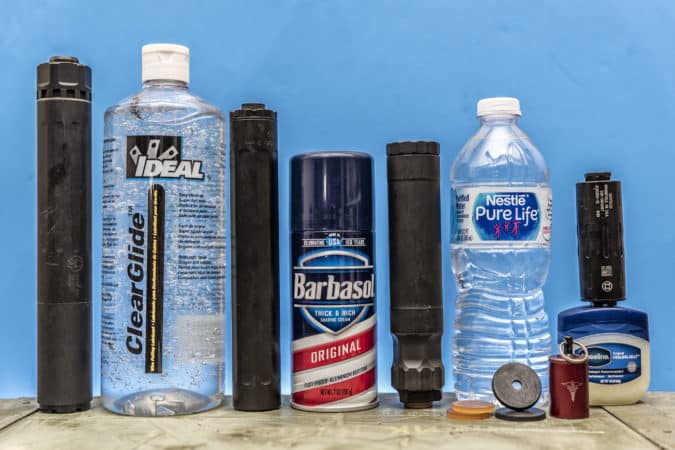
- What Liquids Work for Wet Suppressor Shooting
- How Much Liquid to Add and How to Add It
- Which Suppressors Are Designed for Wet Use
- Wet suppressor: Wet Shooting with Rimfire Suppressors
- Wet suppressor: Wet Shooting with Centerfire Rifle Suppressors
- Cleaning After Wet Suppressor Shooting
- Safety Considerations for Wet Suppressor Use
- Frequently Asked Questions About Wet Suppressor Shooting
Wet Suppressor Guide: How It Works, What to Use, and When It Matters
A wet suppressor — one that has a small amount of liquid added to the baffle stack before shooting — can reduce sound levels by an additional 3 to 10 decibels compared to the same suppressor run dry, and eliminates most of the first-round pop that plagues dry suppressor first shots. The technique is legal, widely practiced among competitive and precision rimfire shooters, and requires nothing more than water, a drop of oil, or a commercially available suppressor-specific additive. Understanding how wet shooting works, which suppressors are designed for it, and how to do it correctly separates the suppressor owners who get the maximum performance from their can from those who wonder why everyone else’s setup seems quieter.
From the first-round pop that wet shooting eliminates to the correct liquids to use, the suppressor designs that accommodate wet use, and how wet shooting affects cleaning intervals, this guide covers everything a suppressor owner needs to run their can wet safely and effectively. Whether you’re running a rimfire suppressor on a .22 LR host or a centerfire rifle suppressor on a precision long-range platform, wet shooting is a technique worth understanding.
Key Takeaways
- Wet suppressors use water, grease, or gel inside the baffle stack — dramatically reduces noise for first shots
- Water evaporates in 2–6 shots; grease lasts 8–15 shots; suppressor gel formulations last longer
- Sound reduction of 10–25 dB additional for the first wet shots — can drop hearing-safe for 1–4 rounds
- Not all suppressors support wet use — check manufacturer specs; some sealed designs void warranty if used wet
- Never use water in a suppressor below freezing — expansion during firing can damage baffles
What “Wet” Means and Why It Reduces Sound
Running a suppressor wet simply means introducing a small amount of liquid — water, oil, or a commercial additive — into the interior of the suppressor before firing. The liquid sits among the baffles and, when the first shot is fired, the hot, high-pressure propellant gases contact the liquid and cause rapid phase change (the liquid absorbs enormous heat energy and flash-vaporizes). This phase change absorbs a significant portion of the thermal energy of the gas, cooling and compressing it more rapidly than baffles alone can accomplish. The practical effect is that the gas exits the suppressor at lower temperature and pressure, producing a quieter report. With a properly wetted suppressor, the first round and several subsequent rounds are meaningfully quieter — often 3 to 10 decibels — than the same suppressor would produce dry. The effect diminishes as the liquid is expelled by successive shots, typically returning to dry-can performance within 20 to 50 rounds for centerfire calibers and 50 to 100 rounds for lower-pressure rimfire calibers.
Wet suppressor — The First-Round Pop Problem: Why Wet Solves It
The most commonly cited reason for running a suppressor wet is elimination of the first-round pop. Suppressor baffles contain small amounts of oxygen in the air trapped within the can when the suppressor is assembled or last fired. When the first round is fired, this residual oxygen combines with unburned propellant gases in an exothermic reaction — essentially a small explosion inside the suppressor — that adds a distinct “pop” or “crack” to the first shot’s report that is significantly louder than subsequent shots. This is the first-round pop, and it is a normal phenomenon in dry suppressors. Introducing water or another liquid into the baffle stack before shooting displaces much of the trapped oxygen and eliminates or dramatically reduces the first-round pop. This is why competitive rimfire shooters and precision rifle benchrest shooters who fire suppressed almost universally run their cans wet — the consistency of sound level from the first shot to the last is important for shot-calling and hearing protection confidence.
What Liquids Work for Wet Suppressor Shooting

Water is the most commonly used and most universally recommended wet suppressor fluid. A small amount — 1 to 2 milliliters, or approximately the volume of a large water drop — is sufficient for most suppressor volumes. Water is non-toxic, residue-free after evaporation, and has no adverse effect on suppressor internals made of steel, aluminum, or titanium. Some shooters prefer distilled or deionized water to avoid any mineral deposits in the baffles, though this matters more for long-term use than for occasional sessions. A single drop of light oil — Remington RemOil, Ballistol, or similar mineral oil-based products — also works effectively and may provide slightly longer wet performance duration than water due to lower volatility. Commercial suppressor-specific wet additives are available from several manufacturers, but most experienced suppressor owners find water and a drop of oil to be equally effective at a fraction of the cost. Avoid thick oils, grease, transmission fluid, or any solvent as these can damage coatings, produce noxious fumes when heated, or cause unpredictable pressure spikes in sealed systems.
How Much Liquid to Add and How to Add It
Less is more when it comes to suppressor wet fluid. The goal is to coat the baffles and displace oxygen — not to fill the suppressor with liquid. For a typical rifle suppressor, 1–2 milliliters of water (roughly 20–40 drops from an eyedropper, or the contents of a single-serve condiment cup) is sufficient. For a compact pistol suppressor with smaller baffle volume, 0.5–1 milliliter is adequate. Too much liquid can create a significant hydraulic effect when the first shot fires, producing a louder and more forceful report rather than a quieter one, and excess liquid may spray from the muzzle end and create a safety concern. The standard method is to hold the suppressor muzzle-up, unscrew the muzzle end cap if the suppressor design allows, and add liquid directly to the baffle stack. On fully enclosed suppressors that cannot be easily opened from the muzzle, a few drops can be poured through the bore from the back, though this approach makes quantity control more difficult. Always ensure the host firearm is unloaded before handling and adding fluid to the suppressor.
Which Suppressors Are Designed for Wet Use
Most modern centerfire rifle and pistol suppressors can be run wet without damage, but not all are designed or rated for this use. User-serviceable suppressors — those designed to be disassembled for cleaning — are particularly well-suited for wet use because the owner can verify fluid distribution across baffles and thoroughly clean the increased fouling that wet shooting produces. Monocore (single-piece baffle stack) designs are less ideal for wet use because the liquid cannot be distributed as evenly across the baffle surfaces. Before running your suppressor wet, verify with the manufacturer that wet use is approved and does not void the warranty. Most major suppressor manufacturers — Rugged, Dead Air, SilencerCo, Griffin Armament, OSS — approve wet use in their centerfire suppressors. Suppressors with internal coatings or aluminum end caps may require specific fluid restrictions per manufacturer guidance. Rimfire-specific suppressors are often rated for wet use and benefit particularly from it due to the lower power levels involved.
Wet suppressor: Wet Shooting with Rimfire Suppressors
The .22 LR and other rimfire suppressors benefit most from wet shooting in relative terms. Because rimfire cartridges produce less gas energy than centerfire rifle rounds, the baseline sound of a dry rimfire suppressor is already relatively quiet. Adding water or a drop of oil to a rimfire suppressor before a range session can drop sound levels by 5–10 decibels and produce one of the genuinely quietest shooting experiences available in any centerfire or rimfire format. The rimfire suppressor with subsonic .22 LR ammo and a small amount of water in the baffles, fired from a bolt-action rifle, can be quieter than the action noise of the bolt cycling. This is the scenario that makes suppressed rimfire shooting the most accessible and impressive demonstration of suppressor technology for first-time observers. The tradeoff is slightly faster fouling accumulation — wet shooting with rimfire ammo accelerates the buildup of lead and carbon residue in the baffles, shortening the cleaning interval from the typical 1,000 rounds to perhaps 500–700 rounds under wet use.
Wet suppressor: Wet Shooting with Centerfire Rifle Suppressors

For centerfire rifle suppressor users, wet shooting is most commonly employed in two scenarios: precision rifle competition, where consistent first-shot sound levels matter for consistency and shot-calling, and in very hot weather or extended shooting sessions where the cooling effect of wet shooting provides measurable thermal management benefits. The 3–8 decibel reduction from wet shooting in a centerfire rifle suppressor is less proportionally significant than in rimfire applications — a dry centerfire suppressor is already in the 130–138 dB range for most rifle calibers, and a few additional decibels of reduction is a modest incremental benefit. However, eliminating the first-round pop entirely is a meaningful benefit for precision shooters who fire suppressed in competition or when hunting, where the first shot’s consistency is critical. Wet centerfire use accelerates suppressor wear slightly due to the thermal cycling involved, though modern titanium and stainless steel suppressors tolerate this well across their rated round counts.
Cleaning After Wet Suppressor Shooting
Wet shooting increases the fouling accumulation rate in suppressors and affects the cleaning interval. Water-based wet shooting leaves behind mineral deposits as the water evaporates, and the additional steam generated during firing can loosen and redistribute carbon fouling across a wider area of the baffle surfaces. After a wet shooting session, allow the suppressor to fully dry before storage — storing a suppressor with residual moisture inside promotes rust in steel components and, in aluminum suppressors, can accelerate corrosion of aluminum baffles exposed to water-saturated carbon. Cleaning with a commercial rimfire-rated or centerfire-rated suppressor solvent after wet sessions is the correct approach, and the cleaning interval should be shortened proportionally to the amount of wet shooting performed. Most experienced wet shooters find that cleaning every 300–500 rounds during heavy wet-use periods keeps their suppressor performing optimally.

Safety Considerations for Wet Suppressor Use
Wet suppressor shooting is safe when done correctly, but a few precautions apply. Never use water or any fluid in a suppressor that is not rated by the manufacturer for wet use — unsupported designs can experience pressure spikes. Never overfill the suppressor with liquid. The first shot from a very wet can may produce a dramatic puff of steam and water spray from the muzzle — this is normal, but bystanders should be aware. Eye protection is mandatory for all suppressor shooting and particularly important when running a can wet. Never add flammable liquids, solvents, or chemicals not specifically approved for suppressor use. Do not run a wet suppressor on a fully automatic host unless the manufacturer specifically rates it for that use, as the increased rate of fire can generate pressure spikes in a liquid-saturated baffle stack. Used responsibly within manufacturer specifications, wet shooting is a safe and effective technique that has been practiced by suppressor owners for decades.
Frequently Asked Questions About Wet Suppressor Shooting
How many shots does a wet suppressor stay quiet before drying out?
The duration of wet performance depends on the caliber, the volume of liquid added, and the suppressor design. With a centerfire rifle caliber (5.56, .308, etc.), a properly wetted suppressor typically provides the maximum quiet effect for the first 10–20 shots before transitioning back toward dry-can performance levels over the next 20–30 shots. With a rimfire caliber like .22 LR, the lower-pressure rounds expel the liquid much more slowly — a wetted rimfire suppressor may provide near-wet performance for 50–100 rounds before the liquid is fully expelled. Adding liquid again between shooting strings is acceptable and common among precision and competition shooters who want consistent first-shot performance throughout a range session.
Is wet suppressor shooting legal?
Yes. Adding water or oil to a legally registered suppressor before shooting is not regulated under federal law or the laws of any suppressor-legal state. The suppressor itself remains the regulated NFA item — the fluid inside it is not separately regulated. Wet shooting is practiced openly at competitions, NFA events, and range demonstrations without any legal concern. If you are unsure about any local range rules that might prohibit the water vapor or steam produced by wet shooting, check with your range officer before using the technique.
Can I use solvent or commercial lubricants to wet my suppressor?
Light, mineral-based oils like Remington RemOil, Ballistol, or Break-Free CLP in small quantities are generally acceptable in suppressors rated for wet use. Avoid heavy oils, greases, Hoppe’s #9 or other solvent-based products, gasoline, acetone, or any flammable liquid — these can produce toxic or flammable fumes at suppressor operating temperatures and may damage internal coatings. Commercial suppressor-specific wet additives formulated for high-temperature use are available from several manufacturers and are the safest option if you prefer something other than water. When in doubt, consult your suppressor manufacturer’s guidance on approved wet-use fluids before experimenting.
Disclosure: PopularSuppressors.com is operated by Brand Avalanche Media, Inc. This article contains information about suppressor operation and maintenance. It is not legal advice. Always verify local and state laws before purchasing or using suppressors. Silencer Central is a paid sponsor of this website.
Related guides: how to clean a suppressor, suppressor maintenance guide, and suppressor mounting systems.
Similar Posts



Frequently Asked Questions
What does 'running a suppressor wet' mean?
Running a suppressor wet means adding a fluid — typically water, grease, or wire pulling gel — to the suppressor's interior before shooting. The fluid absorbs heat from the first few rounds and dramatically reduces sound on the first 1–3 shots, eliminating first-round pop.
What fluid is safe to use in a suppressor?
Water is the safest and most commonly used wet suppressor fluid — it evaporates cleanly and leaves no residue. Automotive grease and wire pulling gel also work and last slightly longer. Never use petroleum-based fluids that can ignite from heat, or any substance not approved by your suppressor's manufacturer.
Does wetting a suppressor damage it?
No — wetting is an approved technique for most user-serviceable suppressors and causes no damage when used correctly. Avoid over-filling, which can cause hydraulic pressure issues on the first shot. Silencer Central's BANISH suppressors are user-serviceable — find details at SilencerCentral.com.