Suppressor Cleaning: The Carbon Buildup Maintenance Guide Every Owner Needs (2026)

Why Suppressors Build Carbon Faster Than You Expect
How Often Suppressor Cleaning Actually Matters
| Suppressor Type | Serviceable? | Suggested Cleaning Interval | Why |
|---|---|---|---|
| Rimfire (.22 LR) | Yes — disassembles | Every 300–500 rounds | Lead and dirty powder foul fast at low pressure |
| Pistol (9mm, .45) | Yes — disassembles | Every 1,000–2,000 rounds | Moderate fouling; lead and carbon accumulate |
| Subsonic .300 BLK | Usually sealed | Monitor weight every 500–1,000 rounds | One of the dirtiest centerfire loads you can run |
| Centerfire rifle (supersonic) | Often sealed | 5,000–10,000+ rounds, often never | High pressure self-cleans the bore path |
The Suppressor Cleaning Kit Every Owner Should Build
You do not need an ultrasonic tank to keep a can healthy. You need the right chemistry and a couple of tools. A practical suppressor cleaning kit comes down to a carbon remover, a bore cleaner, a quality oil, and something to scrub fouling out of tight spaces.
In This Article
- Why Suppressors Build Carbon Faster Than You Expect
- How Often Suppressor Cleaning Actually Matters
- The Suppressor Cleaning Kit Every Owner Should Build
- Win the Wilson Combat Suppressor Shooter’s Kit
- Subsonic .300 Blackout: The Dirtiest Round You Will Run
- A Simple Suppressor Cleaning Routine
- Mistakes That Ruined Suppressors: Cleaning Pitfalls to Avoid
- Frequently Asked Questions
- More Suppressor Guides from PopularSuppressors
Last updated: September 2, 2026 · Originally published June 10, 2026
- Ultima-Lube II Carbon Remover — A nonflammable, ammonia-free formula built to break down spent carbon and firing residue. It loosens copper fouling and is especially effective on the baked-on residue that defines suppressor and subsonic shooting, without harming metal.
- Ultima-Lube II Bore Cleaner — A water-based, non-flammable cleaner originally formulated for military snipers. It cuts carbon and copper in one pass, and unlike ammonia cleaners, it will not etch your bore or require neutralizing afterward.
- Ultima-Lube II Universal Oil — A petroleum-and-synthetic blend that protects metal and stays put under heat, with a working range up to 350°F. A light film on threads and mounts prevents carbon from seizing your suppressor to the host.
- Upper Receiver Cleaning Tool — A glass-filled polymer tool with reusable scrub pads that strips caked carbon out of AR-15 and AR-10 uppers. Suppressed rifles foul the upper and bolt carrier hard, and this clears it fast.
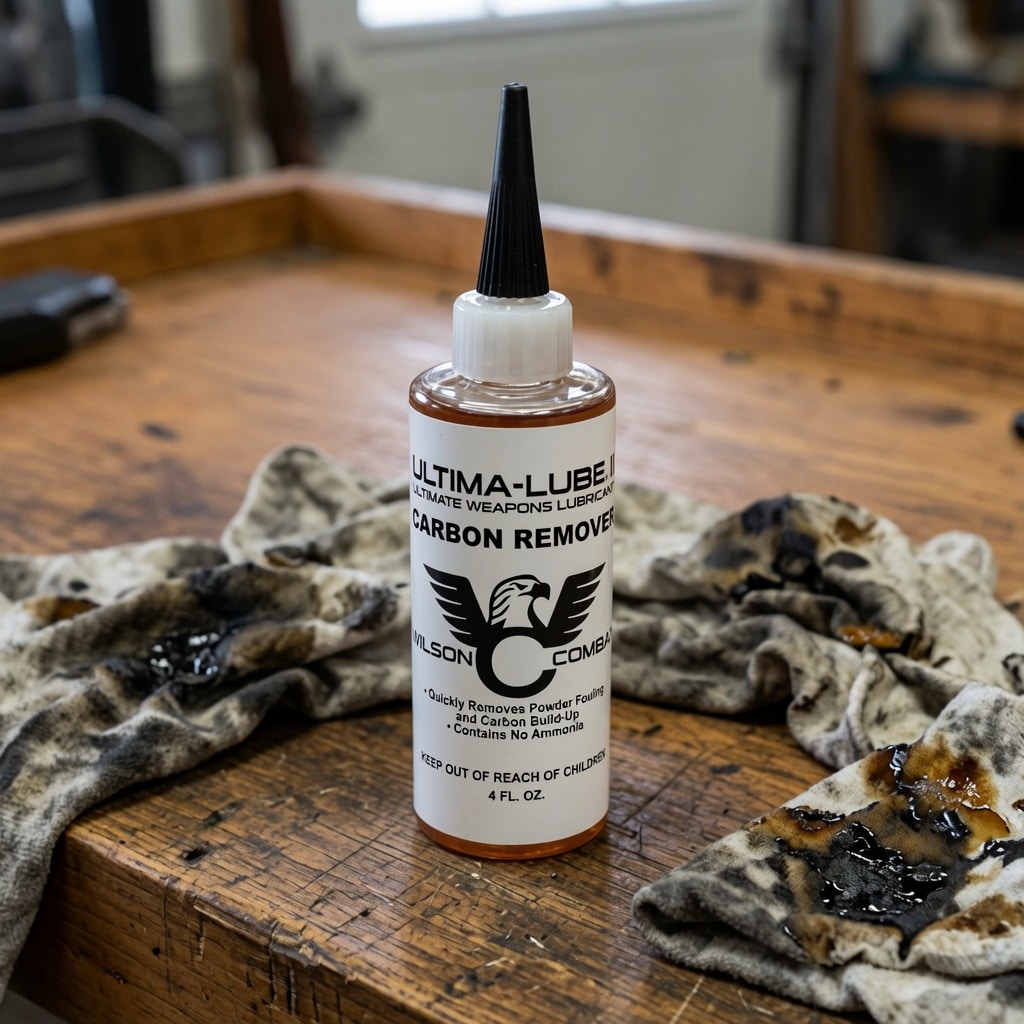
That ammonia-free point matters more than it sounds. Aggressive ammonia solvents can pit and discolor the aluminum and stainless internals common in suppressors. A cleaner that lifts carbon without attacking the metal is exactly what a can needs.
Win the Wilson Combat Suppressor Shooter’s Kit
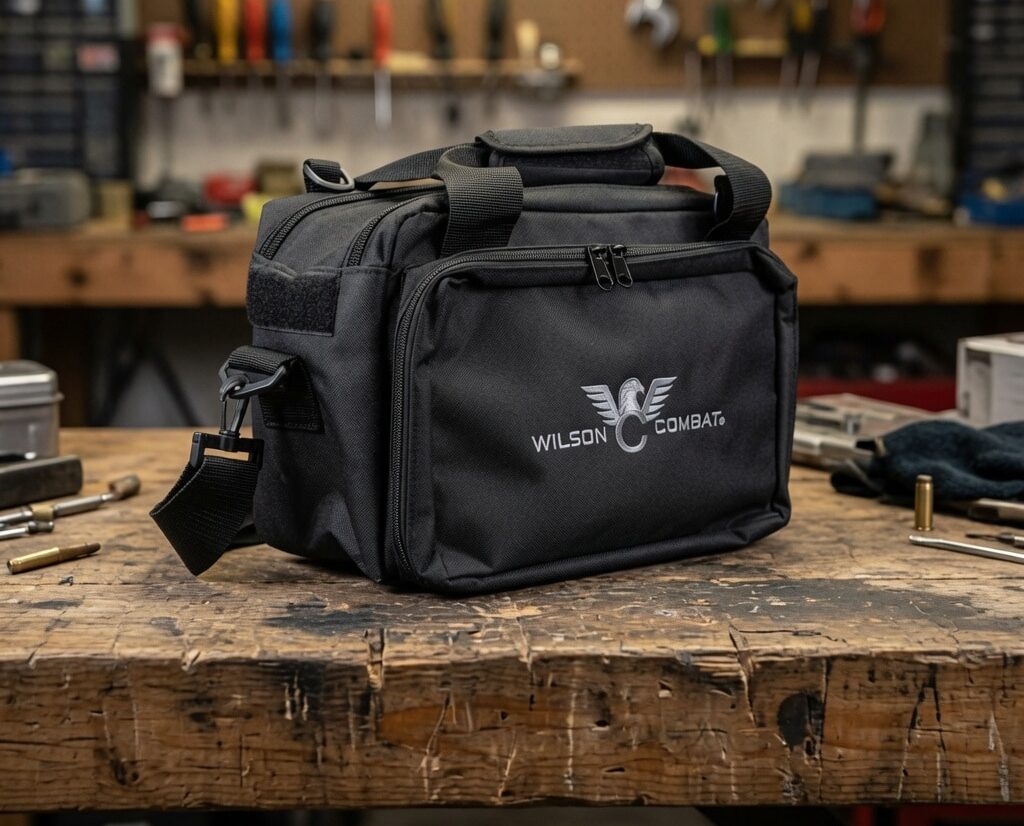
Wilson Combat Suppressor Shooter’s Kit — a complete range-and-maintenance loadout with a total MSRP of $408.40. It pairs the cleaning chemistry above with a hard-use range bag and enough subsonic .300 Blackout to actually put the gear to work.
| Item | What It Does |
|---|---|
| Deluxe Range Bag (Large) | 600-denier poly/nylon bag with divided compartments, six magazine pouches, and MOLLE — holds the entire kit |
| Ultima-Lube II Bore Cleaner | Non-flammable carbon and copper cutter, safe on bores |
| Ultima-Lube II Carbon Remover | Ammonia-free remover for baked-on suppressor fouling |
| Ultima-Lube II Universal Oil | Heat-stable lubricant that keeps threads from seizing |
| Upper Receiver Cleaning Tool | Scrubs carbon from AR-15 / AR-10 uppers |
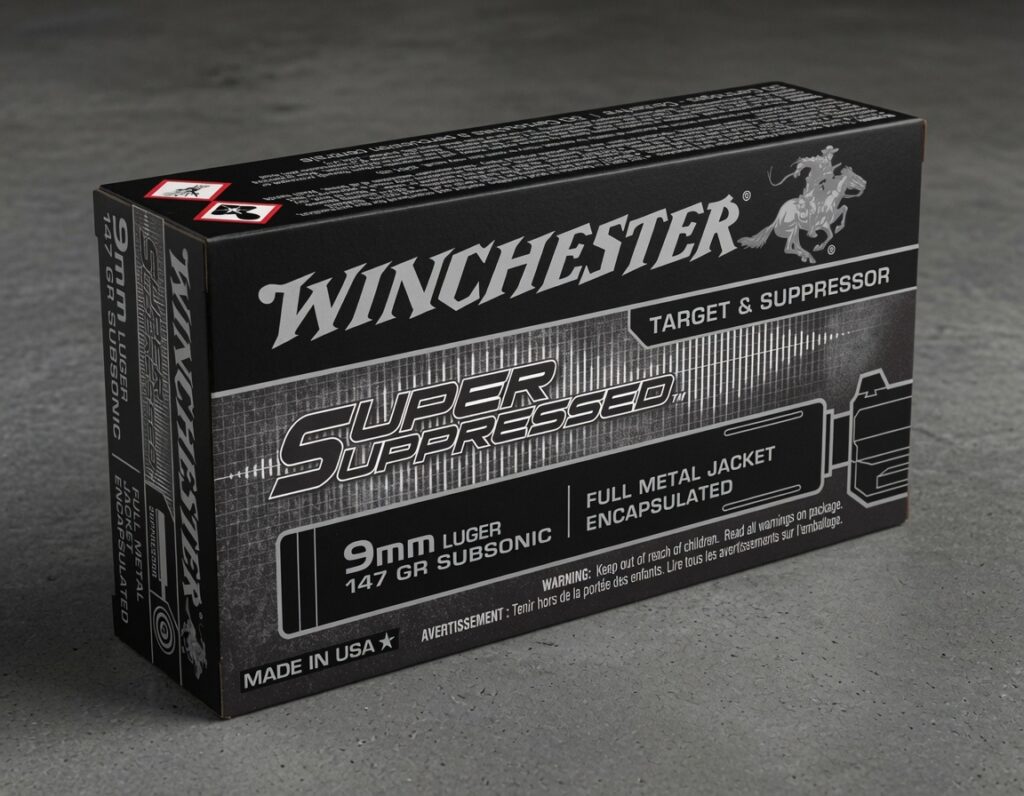
| 300 BLK Subsonic Ammo — 100 rounds (5 boxes) | 220gr Sierra HPBT at 1,025 fps, tuned for suppressed shooting |
| Two Multi-Caliber AR-15 Magazines | 30-round mags rated for .300 BLK, 5.56, .223, and 300 HAM’R |
It is a deliberately practical prize. The 100 rounds of subsonic .300 Blackout will dirty a can quickly, and the Ultima-Lube II chemistry is what cleans it back up — a closed loop of shoot, foul, and restore.
Subsonic .300 Blackout: The Dirtiest Round You Will Run
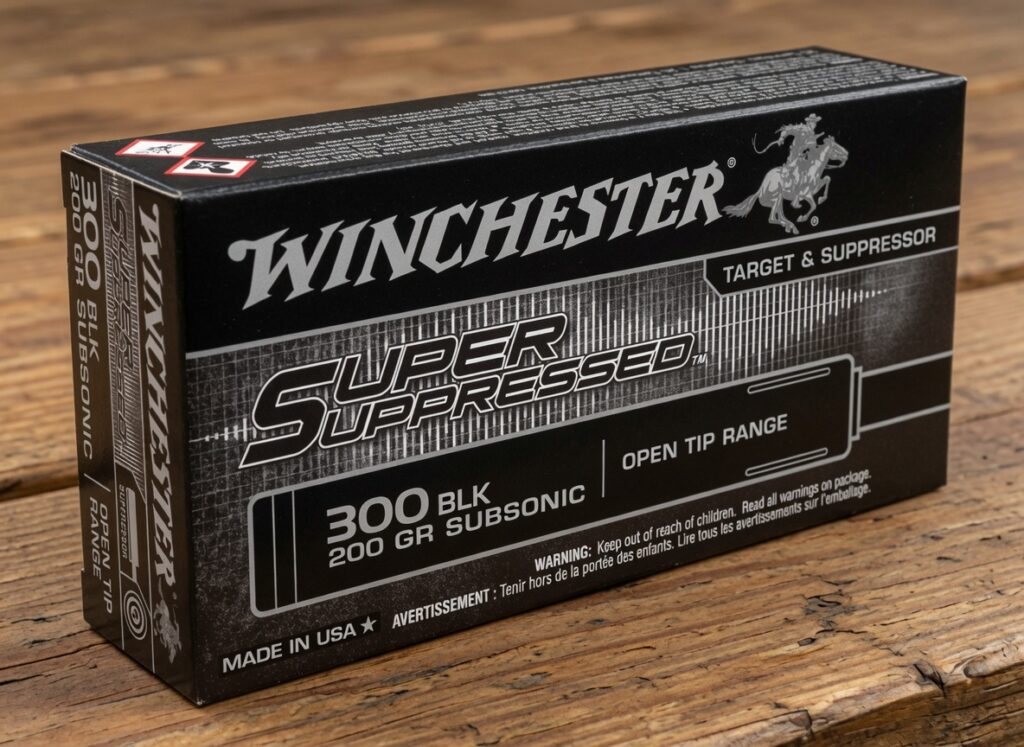
The payoff is worth it. Subsonic .300 Blackout through a quality can is genuinely hearing-safe and remarkably pleasant to shoot, which is why it has become the signature suppressed cartridge. Just go in understanding that you are trading a quiet, soft-shooting round for a faster-fouling one. Treat a subsonic-fed can like a pistol can: monitor its weight, and clean or inspect it on the more frequent end of the schedule. If you are still choosing a host suppressor for subsonic .300 BLK, our BANISH 9K breakdown and the BANISH 30-V2 overview are both strong starting points.
A Simple Suppressor Cleaning Routine
- Safety and Preparation
Let the suppressor cool completely after shooting (hot parts + solvent can create dangerous fumes or warping). Unload your firearm and remove the suppressor. Work in a well-ventilated area and wear gloves and eye protection. Gather your supplies: suppressor-specific or safe solvents (CLR, Simple Green, BoreTech C4 Carbon Remover, Slip 2000 Carbon Killer, or REM Oil), a stiff nylon brush (never steel or brass on titanium/aluminum), nylon picks or plastic scrapers, clean rags, hot water access, and anti-seize compound for threads. - Disassemble the Suppressor
For the BANISH 30-V2 and similar user-serviceable models, no special tools are usually needed thanks to CAN-CLEAN™ technology. Unscrew the end cap or tube and remove the baffle stack. The STIFLE™ baffles in the Banish line can be reassembled in any order, making reassembly foolproof. Lay everything out on a clean surface and inspect for heavy carbon, lead, or powder residue, common after even a few hundred rounds of subsonic 300 BLK. - Soak the Parts
Submerge the baffles (and any removable core) in your chosen solvent. For light fouling, 20–30 minutes is often enough; heavy carbon from subsonic 300 Blackout may need 2–24 hours (or multiple shorter soaks). Some owners use an ultrasonic cleaner with a gun-specific solution for faster results, but a simple soak + brush works great without one. Do not soak the outer tube or end caps in strong solvents for extended periods, simply wipe them down separately to protect finishes. - Scrub and Detail
Use the nylon brush to gently scrub each baffle, focusing on the expansion chambers and edges where carbon loves to hide. A plastic pick helps dislodge stubborn spots in crevices. Scrub the inside of the tube and wipe end caps and threads with a solvent-dampened rag. The goal is to remove loose carbon without scratching the metal, remember patience and the right brush prevent damage. - Rinse and Dry Thoroughly
Rinse all parts with hot water to flush away dissolved residue. Shake off excess water, then air-dry completely (or use compressed air). This step is critical as any trapped moisture can cause corrosion inside the can. - Inspect, Lubricate Threads, and Reassemble
Check O-rings (replace if cracked or flattened) and threads for wear. Apply a thin layer of anti-seize to threads to make future disassembly easier. Reinstall the baffles (any order on the BANISH 30-V2), screw the tube and end cap back on hand-tight plus a quarter turn (follow manual torque specs). A quick function check on an unloaded rifle ensures everything seats correctly.
Mistakes That Ruined Suppressors: Cleaning Pitfalls to Avoid
- Using the wrong solvents or household cleaners: Harsh chemicals (like some oven cleaners or bleach-based products) can pit titanium, strip anodizing, or corrode aluminum baffles. Stick to suppressor-specific or firearm-safe solvents like BoreTech C4 Carbon Remover, Slip 2000 Carbon Killer, or quality CLP.
- Aggressive mechanical scrubbing: Steel wool, wire brushes on soft metals, or power tools can scratch baffles, alter tolerances, or create sharp edges that trap even more carbon.
- Wrong reassembly: Baffles in user-serviceable suppressors are directional. Installing them backward reduces suppression, increases backpressure, or causes baffle strikes. Always follow the manufacturer’s orientation guide.
- Ultrasonic cleaners on the wrong materials: Great for some steel parts, but they can pit or damage aluminum and certain titanium finishes if used incorrectly.
- “The Dip” or extreme lead removers: These toxic lead-acetate solutions are extremely dangerous (absorb through skin) and unnecessary when modern solvents work safely.
- Storing wet or without proper drying: Residual solvent or moisture leads to corrosion inside sealed areas.
Frequently Asked Questions
How often should I clean my suppressor?
It depends on the can. Rimfire suppressors need suppressor cleaning every 300 to 500 rounds, pistol cans every 1,000 to 2,000, and subsonic .300 BLK cans should be monitored every 500 to 1,000 rounds. Most sealed supersonic rifle cans can run thousands of rounds and were designed never to be opened by the owner.
Can I clean a sealed rifle suppressor?
Not internally. Sealed, welded cans are not designed to come apart, and forcing one open will destroy it. Limit suppressor cleaning on a sealed can to wiping the exterior, keeping the threads clean and oiled, and weighing it to monitor carbon buildup over time.
Why does subsonic .300 Blackout foul so badly?
Subsonic .300 BLK runs at low pressure with a heavy bullet and a sizable powder charge, so it generates a lot of carbon and leaves most of it inside the can instead of blowing it downrange. It is one of the dirtiest centerfire loads in common use, which is exactly why a good suppressor cleaning kit pays for itself.
What should be in a suppressor cleaning kit?
At minimum: an ammonia-free carbon remover, a bore cleaner, a heat-stable oil for threads and mounts, and tools to scrub fouling from tight spaces and the host firearm. The Wilson Combat Ultima-Lube II line covers the chemistry, and the upper cleaning tool handles the rifle.
Will a dirty suppressor affect accuracy or sound?
It can. As carbon and lead accumulate, a can gains weight and can grow slightly louder as its internal geometry fills in. A suppressor that has gained two or three ounces over its factory weight is overdue for cleaning or, on a sealed can, a weight check.
More Suppressor Guides from PopularSuppressors
- BANISH 22 Suppressor: How Buyers Find and Choose It in 2026
- The BANISH 9K: One of the Smallest 9mm Suppressors Made
- The BANISH 30-V2: A Versatile Multi-Caliber Rifle Can
- The BANISH 9: A Modular Pistol-Caliber Suppressor
- The BANISH 45: A Full-Auto-Rated Pistol Suppressor
Similar Posts