Hunting with a Suppressor: Why It Makes You a Better Hunter
Last updated: June 6, 2026 · Originally published: March 7, 2026
In This Article
- Hunting with a suppressor: State-by-State Suppressed Hunting Legality
- Hunting with a suppressor — Hearing Protection: The Primary Benefit
- Hunting with a suppressor: Reduced Disturbance to Game and Neighbors
- Hunting with a suppressor: Best Suppressor Calibers for Hunting
- Hunting with a suppressor: Suppressor Choice for Different Hunting Scenarios
- Hunting with a suppressor: Transporting and Using Suppressors While Hunting
- Hunting with a suppressor — Suppressed Hunting: Ethical and Safety Considerations
- Frequently Asked Questions About Hunting with Suppressors
Hunting with a suppressor is a topic every suppressor owner should understand before making any purchase or modification decision. You can hunt with a suppressor in most states where both suppressor ownership and hunting is legal — and suppressed hunting is growing rapidly as hunters discover the practical benefits for hearing protection, reduced noise disturbance in the field, and faster follow-up shots. The specific rules vary by state, game species, and season, but the national trend is strongly toward expanded suppressor hunting permission. This guide covers what hunters need to know about suppressed hunting legality, the practical advantages, and how to choose the right suppressor for your hunting application.
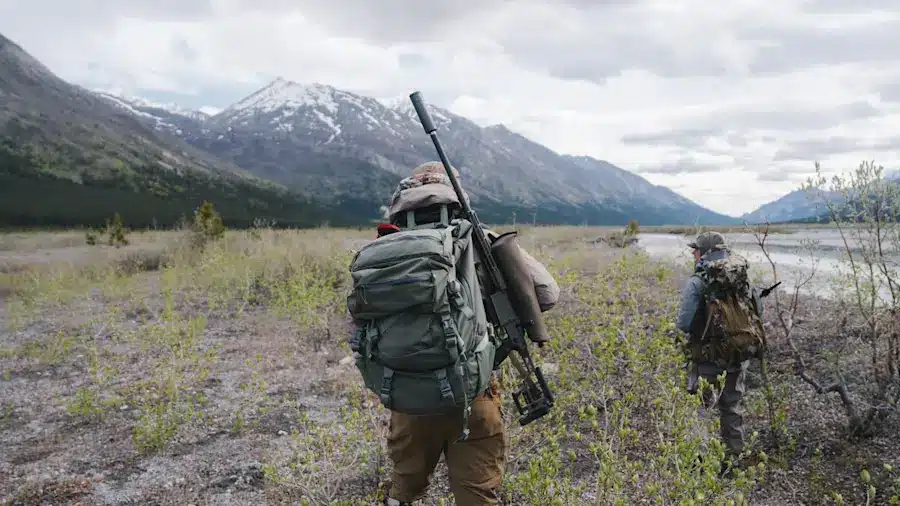
More suppressor resources: Suppressor Legal States 2026, Best Suppressor for Hunting, BANISH 30 V2 Complete Guide, How to Buy a Suppressor in 2026, and About Silencer Central.
Key Takeaways
- Suppressed hunting is legal in 40 states — check your specific state’s regulations before hunting season
- Suppressors protect both hunter and dog hearing — 1 unsuppressed rifle shot can cause permanent hearing damage
- No special permit is required for suppressed hunting in most states; your NFA registration is sufficient
- Many guides and outfitters now accommodate or specifically offer suppressed hunts
- Subsonic loads paired with a suppressor create minimal disturbance — ideal for predator control and multi-animal harvests
Hunting with a suppressor: State-by-State Suppressed Hunting Legality
Forty of the 42 states that allow suppressor ownership also permit suppressed hunting. Most states that legalized suppressor hunting did so within the last 15 years, with the trend accelerating through the 2010s and early 2020s. The specific permissions vary: some states permit suppressed hunting for all game species during all seasons; others limit suppressed hunting to specific species, seasons, or methods. Iowa, for example, permitted suppressed deer hunting relatively recently. Always verify your specific state’s hunting regulations for the current season before heading into the field with a suppressor — state wildlife agency websites publish current rules. Your game warden can answer questions about suppressor-specific requirements.
Hunting with a suppressor — Hearing Protection: The Primary Benefit
Hunting rifle shots are among the loudest sounds most people regularly encounter. Unsuppressed rifle fire in the field without hearing protection routinely exceeds 160 dB. Hunters who shoot hundreds of rounds over decades of seasons accumulate significant cumulative hearing damage. A suppressor typically reduces hunting rifle shots to 130–140 dB with standard supersonic hunting ammunition which still loud, but substantially safer for hearing. With subsonic loads where applicable (like .300 BLK for deer at close range), levels drop further. Many hunters report that suppressed shooting has allowed them to continue hunting seasons longer without further hearing degradation.

Hunting with a suppressor: Reduced Disturbance to Game and Neighbors
Hunting with a suppressor delivers a meaningful environmental benefit that extends far beyond the shooter’s experience: it dramatically reduces disturbance to the surrounding habitat and wildlife. A shot that doesn’t scatter every deer in the county allows hunters to make follow-up shots on missed targets or take additional animals in multi-tag situations without the herd bolting at the first report. Suppressed shots are less audible to neighbors and adjacent property owners, reducing complaints in areas where hunting occurs near residential land. By minimizing sudden auditory shock, the hunter creates less stress on local wildlife populations, allowing them to resume natural behaviors more quickly and preserving the delicate balance of the ecosystem. For varmint hunters targeting prairie dogs, coyotes, or hogs, where multiple shots in quick succession are common. Hunting with a suppressor gives the hunter the ability to have more time on target before quarry scatters and extends productive hunting windows dramatically. This reduced footprint is increasingly important to modern conservation efforts where quieter hunts support ethical, selective harvesting on public and private lands, help maintain hunter access in noise-sensitive areas, and demonstrate responsible stewardship that strengthens the case for sustainable hunting as a vital wildlife management tool. Hunting with a suppressor doesn’t just protect the hunter’s hearing; it protects the very environment that makes the hunt possible.
Hunting with a suppressor: Best Suppressor Calibers for Hunting
Several calibers pair exceptionally well with suppressors for hunting applications. .300 Blackout with subsonic ammunition is the gold standard for close-range (under 150 yards) deer-sized game, achieving genuinely quiet performance with adequate terminal energy at short distances. .308 Winchester and 6.5 Creedmoor suppress effectively with supersonic hunting loads and maintain all their long-range capability. .30 caliber suppressors that handle .308 typically also accommodate 6.5 Creedmoor with appropriate threading. For hog and varmint hunting where shot volume is high and calibers are flexible, 5.56/.223 with subsonic loads or lightweight 6mm and 6.5 alternatives provide quieter operation with excellent accuracy. Rimfire suppressors with .22 LR make pest and small game hunting quieter and more neighbor-friendly.

Hunting with a suppressor: Suppressor Choice for Different Hunting Scenarios
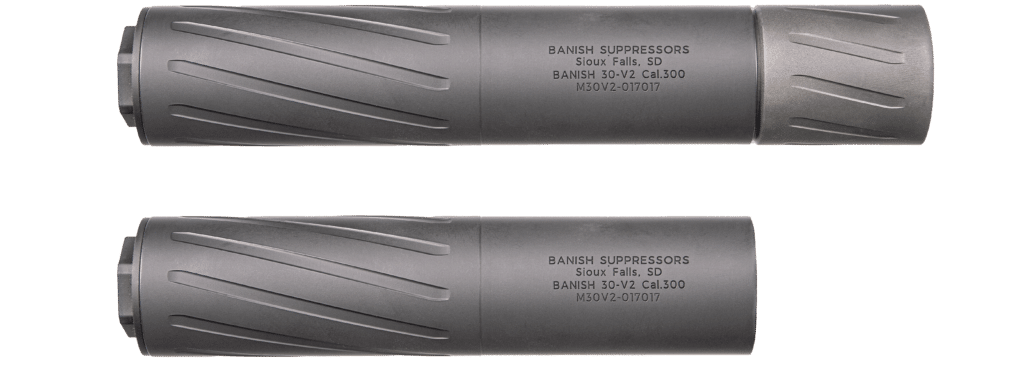
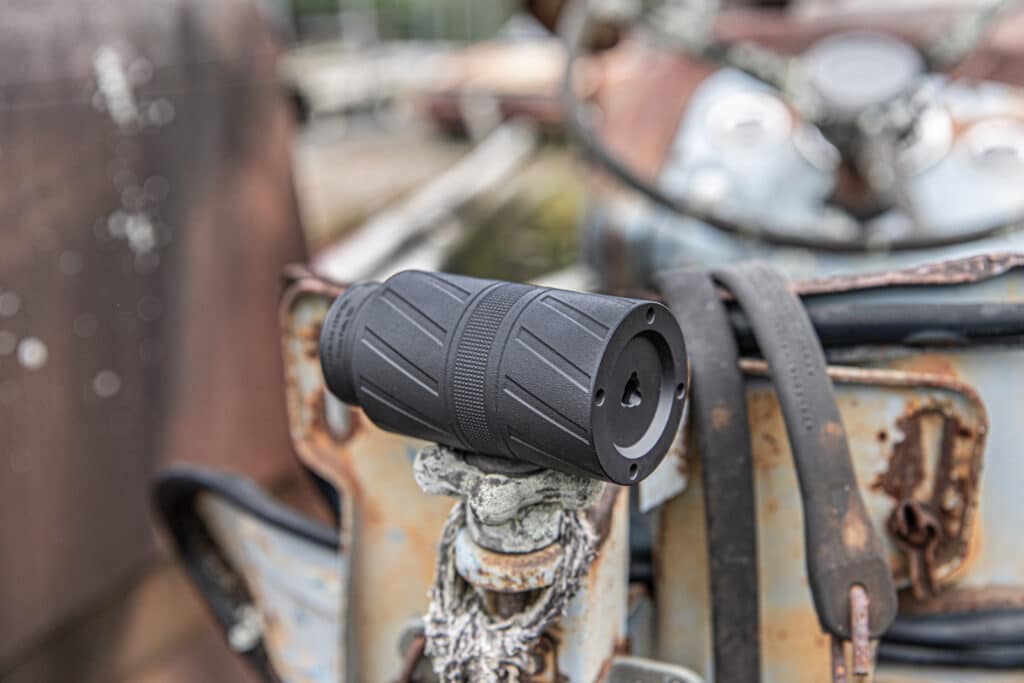
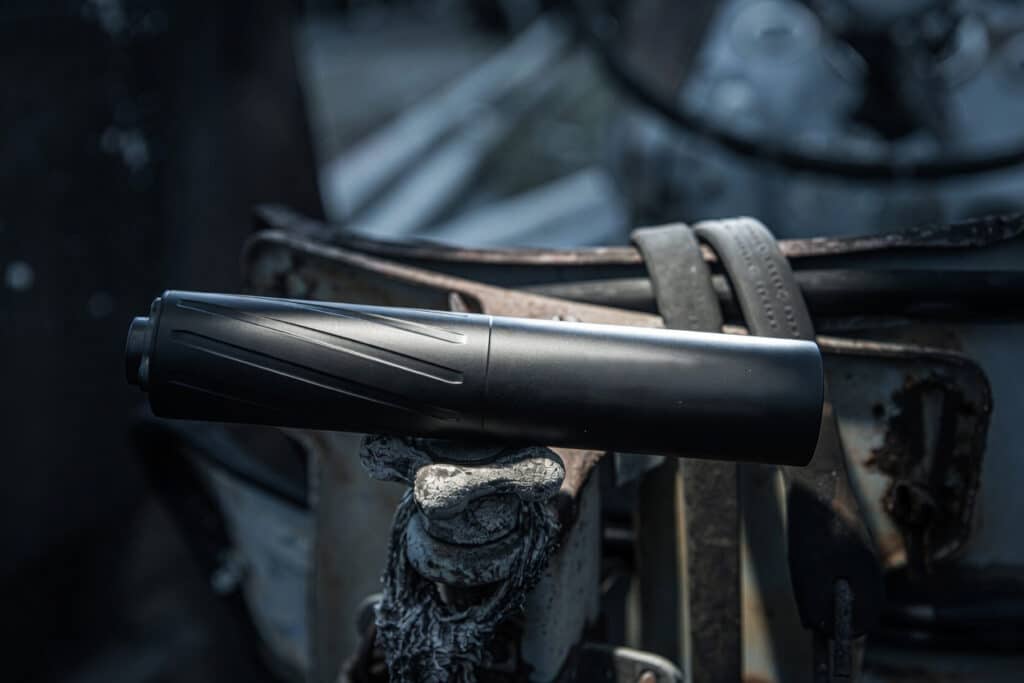
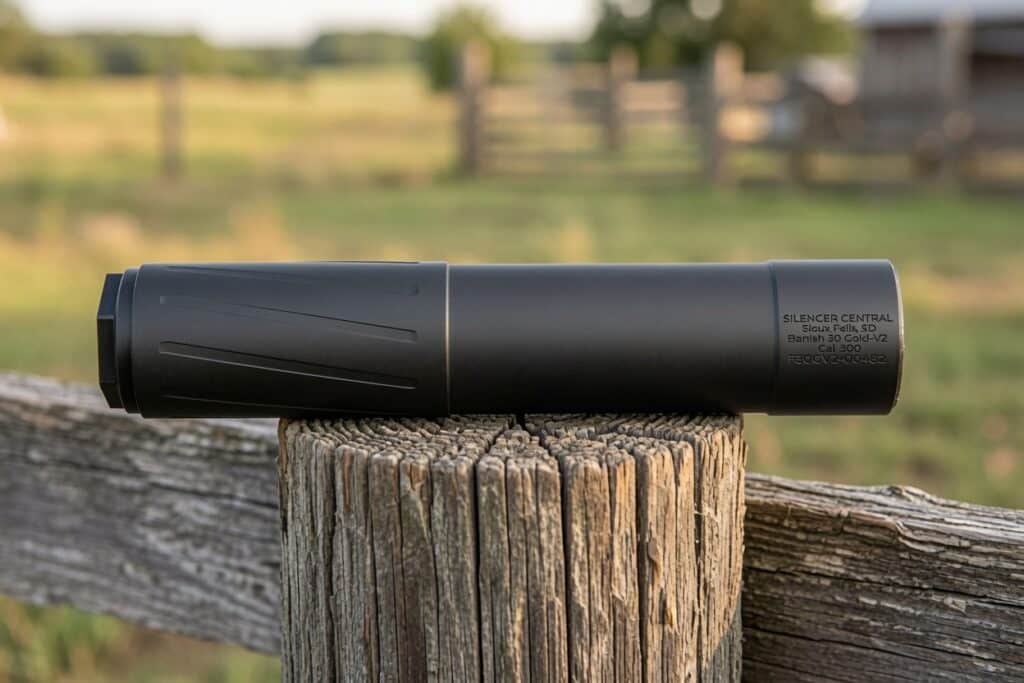
Deer and elk hunters prioritize full-size rifle suppressors that handle standard supersonic hunting loads — the BANISH 30 V2 (Silencer Central) is a strong choice for .30 caliber hunting rifles, offering excellent sound reduction while maintaining the precision needed for ethical harvests at hunting distances. Turkey hunters benefit from shorter suppressors on 12-gauge or 20-gauge shotguns where available, or from suppressed rimfire or small-bore rifles where regulations allow. Hog hunters who run multiple shots at varying distances need suppressor setups that handle both semi-auto sustained fire and are rugged enough for field conditions. A multi-caliber suppressor like the BANISH Backcountry (Silencer Central) provides flexibility for hunters who run multiple calibers across different seasons.
Hunting with a suppressor: Transporting and Using Suppressors While Hunting
Carry your ATF-approved Form 4 paperwork with your suppressor whenever you are hunting — including in the field. Landowner permission to hunt does not exempt you from the requirement to have your registration paperwork. Keep the Form 4 in your hunting pack or truck, not at home. When crossing state lines to hunt, verify the destination state permits suppressed hunting and that your suppressor registration allows interstate transport. The Form 4 paperwork serves as your legal documentation if law enforcement or game wardens ask about the suppressor. A laminated photocopy is acceptable for field carry if you keep the original in a secure location.

Hunting with a suppressor — Suppressed Hunting: Ethical and Safety Considerations
Suppressed hunting does not create any unique ethical concerns — the same hunting ethics that apply to unsuppressed shooting apply equally to suppressed shooting. Shot placement, ethical range limits, and game recovery are unchanged by suppressor use. One practical consideration: suppressed shots are less audible to hunting partners at distance, which affects communication in organized drives or multi-hunter setups. Establish clear communication protocols with your hunting party when shooting suppressed, particularly for driven hunts where shot sounds help coordinate movements. Safety rules are identical to unsuppressed hunting — always be certain of your target and backstop.

Frequently Asked Questions About Hunting with Suppressors
Do I need a special hunting license to use a suppressor?
No. Your standard hunting license, tags, and permits apply equally to suppressed and unsuppressed hunting. There is no additional license or permit required to hunt with a legally registered suppressor. The only documentation you need specifically for the suppressor is your ATF Form 4 approval paperwork, which you should carry with you whenever the suppressor is in your possession outside your home.
Will a suppressor affect my bullet’s terminal performance on game?
No. The suppressor is attached to the muzzle and does not alter the bullet’s construction, design, or terminal behavior. Bullet velocity may increase by 10–25 fps with a suppressor attached, but this has negligible practical effect on terminal performance. Hunting bullets expand and perform based on their design and velocity — the suppressor has no influence on either factor after the bullet exits the suppressor. Use the same quality hunting ammunition you would use unsuppressed.
Which states do NOT allow suppressed hunting?
As of 2026, California and a few other suppressor-prohibiting states do not allow suppressed hunting simply because suppressor ownership is prohibited. Among suppressor-legal states, a small number still restrict suppressed hunting for specific species or seasons. Vermont permits suppressor ownership but has historically had complex rules around suppressed hunting. Always check the specific wildlife regulations for your state and target species for the current season, as rules can change year to year through legislative or administrative action.
Disclosure: PopularSuppressors.com is a media property of Brand Avalanche Media, Inc. and is sponsored by Silencer Central. Content on this site may include references to Silencer Central and BANISH suppressors as part of a paid sponsorship. All editorial opinions are our own.
For hunting gear reviews, field-tested suppressor recommendations, and hunting strategy guides, visit our partner publication Popular Outdoorsman.
Similar Posts
Frequently Asked Questions
Is it legal to hunt with a suppressor?
Yes — in most suppressor-legal states. As of 2026, suppressor hunting is permitted in 40+ states. A handful of states allow suppressor ownership but restrict hunting use (Wisconsin prohibits suppressed deer hunting, for example). Always verify your specific state's hunting regulations before heading afield with a suppressor.
Do suppressors give hunters an unfair advantage?
No — game animals have excellent hearing and can detect the mechanical sounds of a firearm action, movement, and human presence regardless of suppressor use. Suppressors protect hunter hearing and reduce noise pollution for neighbors and other hunters. Most wildlife agencies that reviewed the evidence have approved suppressor hunting.
What is the best hunting suppressor to buy through Silencer Central?
For big game hunting, the BANISH 30 Gold covers all common hunting calibers from .17 HMR through .300 Win Mag in a single lightweight titanium can. For mountain hunting, the BANISH Backcountry is the lightest option. Both ship directly to your door after ATF Form 4 approval. Start at SilencerCentral.com.