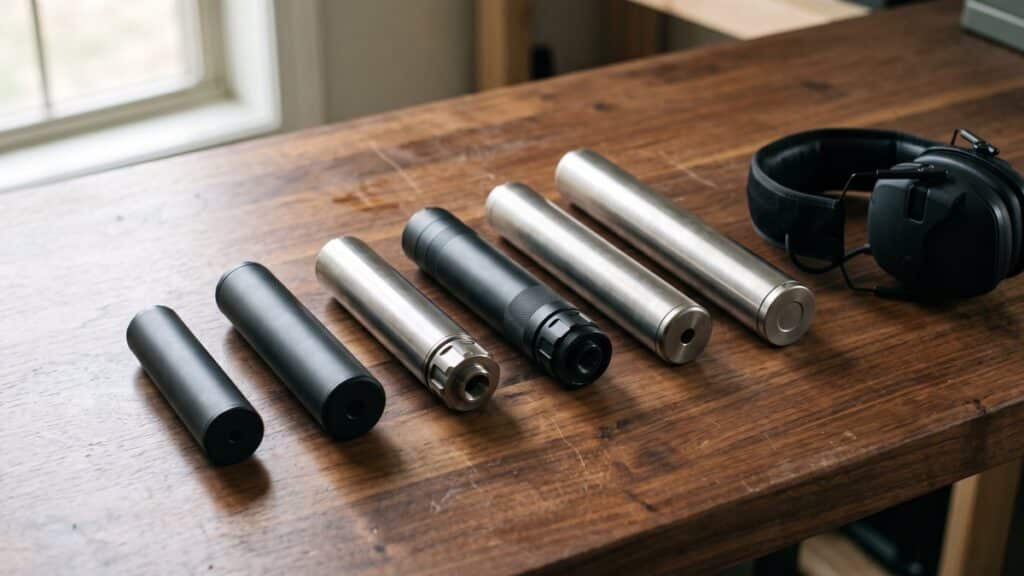
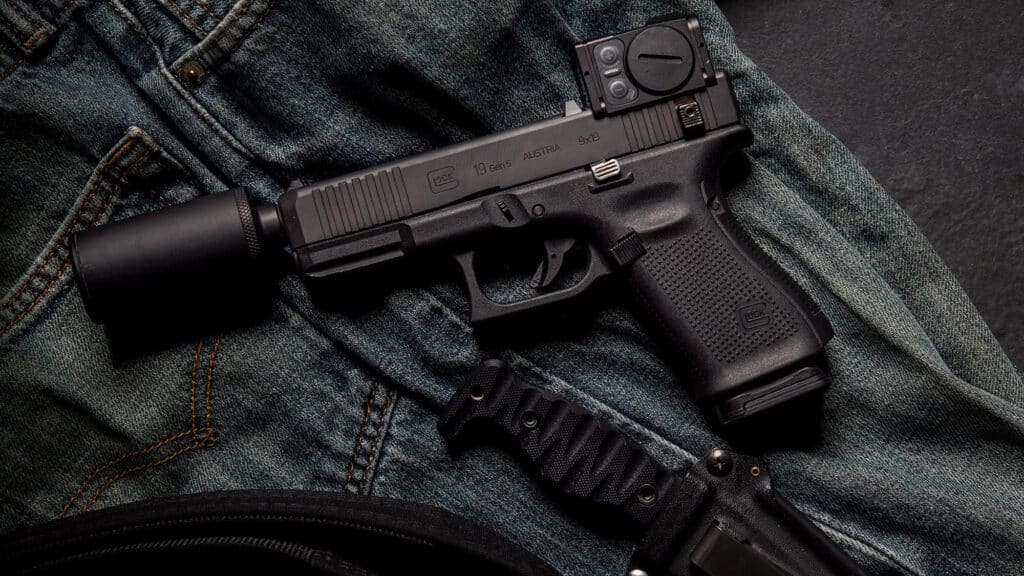
30 Cal Suppressor Guide: What It Fits, Mounts and Weighs
A 30 cal suppressor is the most versatile rifle can: rated for .308 and often up to .300 Win Mag, it also fits many smaller calibers.
Last updated: November 19, 2026 · Originally published October 3, 2026
Update, October 10, 2026: On October 9, ATF stopped requiring a Form 4, federal registration or a tax stamp for suppressors, SBRs, SBSs and AOWs, for everyone nationwide. State law still applies. How buying a suppressor works now.
A .30-caliber suppressor is one of the most versatile cans a shooter can own, built around a bore large enough for .308 Winchester and similar projectiles while still working on smaller cartridges that will safely pass through it. Often called a 7.62 suppressor, it is commonly used on rifles chambered in .308 Win, .300 Blackout, 7.62×39, 6.5 Creedmoor, and even 5.56 NATO when the host is set up correctly. Compared with dedicated 5.56 cans, a .30-caliber model trades a bit of peak suppression on smaller rounds for the ability to move between multiple rifles, which is why it remains a default “do-everything” choice for hunting, range use, and general rifle work. Here is what a .30 caliber suppressor fits, how the mounts work, what the weight trade looks like, and where the law stands.
Safety and legal note. This article is general information, not legal advice. Only fire calibers the manufacturer lists for your suppressor, and check alignment with an unloaded firearm before the first shot. Suppressors are still regulated under the National Firearms Act, and nine jurisdictions ban civilian possession. Popular Suppressors has no affiliate or paid relationship with any manufacturer named here. For specific models, our best .308 suppressors guide compares the leading picks.
30 Cal Suppressors at a Glance
- Why .30: the bore is big enough for .308-class bullets, and many are rated down to 5.56 or even .17 HMR.
- The limit: the manufacturer’s caliber list, top and bottom. Nothing bigger than the rating, ever.
- Threads: 5/8×24 is the most common .308 thread. Mounts include direct thread, quick detach and the 1.375×24 HUB standard.
- Weight: the four cans in our chart run 9.5 to 17.7 ounces.
- Law: the federal tax is $0 since January 1, 2026, and since October 9, 2026, ATF has not enforced registration for suppressors. State law still applies.
What Calibers Will a 30 Cal Suppressor Work On?
A suppressor is rated by the largest bullet it can pass safely, and a .30 caliber can has a bore sized for .30 caliber bullets. Anything smaller goes through the same hole, which is why one can often covers a whole safe. The catch is that the manufacturer decides the list, not you. Look at the ratings in our suppressor comparison chart: SilencerCo rates the Omega 300 from 5.56 to .300 Win Mag, and the Banish HNT 30 TI is listed from .17 HMR to .300 Weatherby. The Dead Air Sandman-S, on the other hand, is listed for 7.62 (.308). Two rules keep you out of trouble. Never shoot a bullet larger than the rated caliber, and never shoot a cartridge the manufacturer does not list, even if the bullet is smaller for example 22lr.30 Cal Suppressors Compared

| Model | Weight | Mount | Rated | MSRP |
|---|---|---|---|---|
| SilencerCo Omega 300 | 14.8 oz | 5/8×24 | 5.56 to .300 WM | $699 |
| Otter Creek Polonium 30 | 13.5 oz | 1.375×24 | Up to .300 RUM | None listed |
| Dead Air Sandman-S | 17.7 oz | KeyMount | 7.62 (.308) | $999 |
| Banish HNT 30 TI | 9.5 to 12.4 oz | HUB 1.375×24 | .17 HMR to .300 Wby | $1,129 |
From the Popular Suppressors comparison chart, manufacturer specs and MSRPs retrieved August 22, 2026. Sound figures are left out on purpose: manufacturers measure them different ways, so they do not compare.
Direct Thread, Quick Detach or HUB?
The mount decides how the can goes on and what it goes on. Silencer Shop and Armanov both list 5/8×24 as the common thread for 7.62/.308, so a direct-thread 5/8×24 can like the Omega 300 screws straight onto most .308 barrels. Quick-detach systems like Dead Air’s KeyMount clamp onto a matching muzzle device, which is faster to move between rifles. HUB-style cans use a 1.375×24 thread at the back of the suppressor so you can swap mounts. From the gunsmith side, one warning. Do not put a smaller thread on a .30 caliber barrel to fit a can you already own. Atomic Defense puts it plainly: cutting 1/2-inch threads on a .30 caliber barrel leaves the barrel walls at the muzzle “dangerously thin.” Our suppressor mounting systems guide covers the mount types in more detail.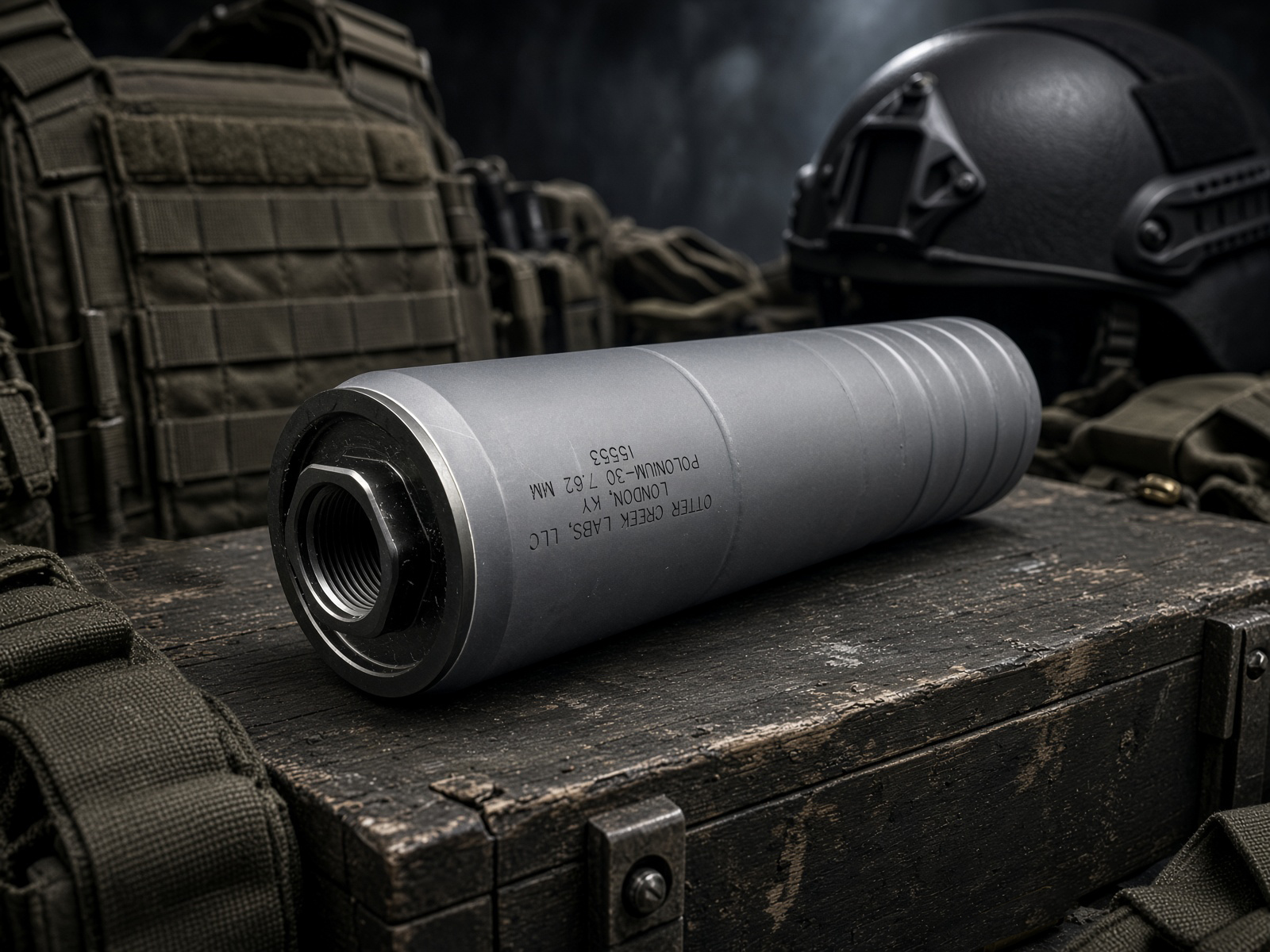
Titanium or Steel?
Weight is the trade. In the table above, the titanium Banish runs 9.5 ounces in its short setup, while the Dead Air Sandman-S weighs 17.7. On a hunting rifle you carry all day, that difference is real. On a bench gun it matters less than durability. Our titanium suppressors guide goes deeper on the materials.Where the Law Stands
Three things are true at once. Congress set the federal transfer tax for suppressors to $0, effective January 1, 2026. A federal court in Texas ruled on August 5, 2026 that registration cannot be enforced against the plaintiffs and their members and customers. And on October 9, 2026, ATF said it will not enforce the prior-approval, registration or tax-stamp requirement for suppressors, for anyone. A dealer still completes Form 4473 and runs a background check, and ATF says enforcement could resume if its guidance changes. Our suppressor ruling tracker has the current status.
State law still applies on top. Our suppressor laws by state map shows 42 states allow civilian ownership, while 8 states and D.C. do not: California, Delaware, D.C., Hawaii, Illinois, Massachusetts, New Jersey, New York and Rhode Island. In 20 of the legal states, state law ties suppressors to federal registration or federal law, and filing a Form 4 is still the safe path there.
The Ruger 10/22 wins at 47%, with .22 pistols at 32% and bolt-action .22s at 19%.
Frequently Asked Questions
Can I use a 30 cal suppressor on a 5.56 or 9mm?
Only if the manufacturer lists that cartridge. Many .30 cal rifle cans list 5.56. Pistol calibers are a separate question, so check the manual.What thread pitch is a 30 cal suppressor?
5/8×24 is the most common thread for .308-class rifles. Some .30 cal barrels use metric threads like M14x1 LH, so confirm your barrel before you buy.Can I use a 30 cal suppressor on a .300 Win Mag?
Only if it is rated for it. In our chart, the Omega 300 and Banish HNT 30 TI list magnum cartridges, and the Sandman-S lists 7.62 (.308).Do I still need a tax stamp for a suppressor?
No. The federal tax on suppressors is $0 since January 1, 2026, and since October 9, 2026, ATF has not enforced the tax-stamp or registration requirement for suppressors. A dealer still runs a background check, and state law still applies. See our ruling tracker for the current status. Buy one .30 cal can rated for the biggest cartridge you shoot, thread your barrels to match, and check alignment every time you mount it. That covers most of the safe. If a .300 Blackout is on your list, Popular Ammo’s breakdown of 300 Blackout vs 5.56 explains why mixing those two up can wreck a rifle.Sources: Popular Suppressors comparison chart (manufacturer specs, August 22, 2026); Silencer Shop, “What Is a Threaded Barrel?”; Armanov, “Common Muzzle Thread Reference”; Atomic Defense, suppressor thread and concentricity guide (November 2025); 26 U.S.C. 5811(a); Federal Register 2026-09155 (May 8, 2026); Silencer Shop Foundation v. ATF, No. 6:25-CV-056 (N.D. Tex., August 5, 2026); Popular Suppressors laws by state map (October 18, 2026); ATF, Update to NFA Transfer Guidance (October 16, 2026).
Similar Posts