
Suppressor Thread Protectors: How to Protect Your Barrel Threads Between Uses
Always use a thread protector when your suppressor is not mounted.
Suppressor Thread Protectors: What They Are, Why They Matter, and How to Choose the Right One
Suppressor thread protectors is a topic every suppressor owner should understand before making any purchase or modification decision. A thread protector is the simple, inexpensive accessory that keeps your muzzle threads clean, undamaged, and ready for your suppressor — and given that suppressor mounting quality depends entirely on the condition of the host barrel’s threads, protecting those threads when the suppressor is not installed is one of the highest-value-per-dollar maintenance steps available to any suppressor owner. A single drop or impact that damages muzzle threads on a threaded barrel can require a gunsmith or barrel replacement to fix, potentially costing hundreds of dollars and sidelining a rifle for weeks. A quality thread protector that costs a few dollars prevents this entirely.
In This Article
- Suppressor Thread Protectors: What They Are, Why They Matter, and How to Choose the Right One
- Why Thread Protectors Matter for Suppressor Owners
- Suppressor thread protectors: How to Identify Your Thread Pitch and Diameter
- Suppressor thread protectors — Thread Protector Materials: Steel, Stainless, Titanium, and Aluminum
- Suppressor thread protectors: Standard vs. Low-Profile Thread Protectors
- Suppressor thread protectors: Common Installation Mistakes and How to Avoid Them
- Suppressor thread protectors: How Tight to Install a Thread Protector
- When to Replace Your Thread Protector
- Suppressor thread protectors: Thread Protectors for Pistol Hosts
- Frequently Asked Questions About Suppressor Thread Protectors
Last updated: September 15, 2026 · Originally published March 8, 2026

This guide covers everything suppressor owners need to know about thread protectors: how to identify the correct thread pitch and diameter for your barrel, the material and design options available, how to install and remove thread protectors correctly, why crown protection matters as much as thread protection, and how to avoid the cross-threading mistakes that damage the very threads you are trying to protect.
Key Takeaways
- Thread protectors are essential when the barrel is threaded but no muzzle device is installed — protect from ding damage
- Thread pitch must match exactly — 1/2×28 protectors don’t fit 5/8×24 threaded barrels
- Aluminum vs. steel: steel thread protectors are more durable; aluminum are lighter and fine for storage
- Some thread protectors have A2-style flash hider profiles — functional as a muzzle device even before the suppressor arrives
- Damaged threads from a missing thread protector can cause suppressor misalignment and potential baffle strikes

Why Thread Protectors Matter for Suppressor Owners
For shooters who run suppressors, the muzzle threads on their host barrel are critical infrastructure — damage to those threads can misalign the suppressor, create a baffle strike risk, or make suppressor installation impossible without gunsmith intervention. Muzzle threads are precise and relatively fine, machined to close tolerances that ensure the suppressor mounts coaxially with the bore. They are also exposed on the barrel end when the suppressor is not installed, vulnerable to impact damage from drops, knocks against hard surfaces, and debris accumulation (dirt, sand, carbon fouling from unsuppressed shooting) that can damage thread faces or contaminate the interface. A thread protector shields these threads under a machined cap that absorbs impact, keeps debris out, and preserves the thread geometry on which your suppressor installation depends. For hunters and field users who carry rifles without suppressors between stands, and for range shooters who remove suppressors between strings, the thread protector is the last line of defense for the most important interface on their suppressed rifle.
Suppressor thread protectors: How to Identify Your Thread Pitch and Diameter
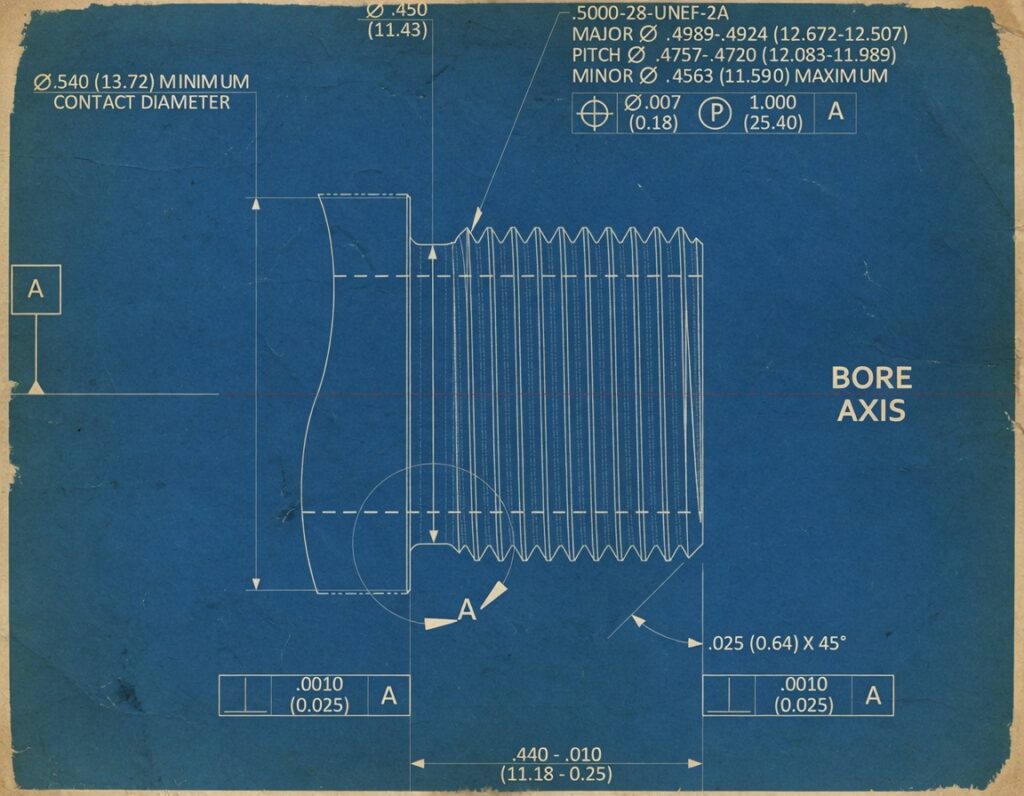
Thread protectors are caliber and thread-specific — using the wrong thread pitch strips both the barrel threads and the protector threads on the first installation. The most common thread pitches for suppressor-ready rifle barrels in the United States are 1/2×28 (standard for .22 LR, .223/5.56, and many 9mm pistol-caliber hosts), 5/8×24 (standard for .30 caliber rifles including .308 Winchester, 6.5 Creedmoor, .300 Winchester Magnum, and 300 Blackout), and 9/16×24 (used on some .40 S&W and .357 Sig pistol hosts). European and military hosts use metric thread pitches — M14x1LH (left-hand, common on AK-pattern rifles), M13.5x1LH (used on Heckler and Koch hosts), M18x1LH (used on some European military rifles), and others. Left-hand threads on some military-spec barrels tighten counter-clockwise and require a left-hand-threaded protector — verify your barrel’s thread handedness before ordering. If you are unsure of your barrel’s thread pitch, use a thread pitch gauge (available at hardware stores and from firearms accessory retailers) or consult your barrel manufacturer’s specifications.
Suppressor thread protectors — Thread Protector Materials: Steel, Stainless, Titanium, and Aluminum
Thread protectors are available in four primary materials, each with different trade-offs in weight, durability, and corrosion resistance. Carbon steel thread protectors are the most common and least expensive, providing adequate protection for most applications when properly maintained. They are heavier than alternatives and susceptible to rust if exposed to moisture without regular application of a light coat of oil. Stainless steel protectors offer excellent corrosion resistance without significant weight penalty compared to carbon steel, and are the preferred choice for hunters and outdoor users who expose their rifles to rain, humidity, and harsh conditions. Titanium thread protectors are the premium option — lighter than steel, equally strong, and highly corrosion-resistant — popular among weight-conscious precision rifle builders and backpack hunters. Aluminum thread protectors are the lightest option but sacrifice durability; aluminum is softer than steel or titanium and can be damaged by overtightening, cross-threading, or impact. For suppressor hosts, stainless steel or titanium protectors are generally the best investment, as their corrosion resistance ensures the protector removes cleanly and does not corrode onto the muzzle threads during extended field use.
Suppressor thread protectors: Standard vs. Low-Profile Thread Protectors
Thread protectors come in two basic profile designs: standard (cap) style and low-profile style. Standard style thread protectors extend beyond the muzzle crown, fully enclosing and protecting both the threads and the crown — the precision-machined 90-degree or angled recessed face around the bore opening that affects accuracy by ensuring even gas release around the bullet as it exits. Low-profile protectors are shorter and lighter, protecting the threads without significantly extending barrel length. For suppressor owners, crown protection is as important as thread protection — a damaged crown affects accuracy by creating uneven gas release, which causes bullet instability immediately after exit from the muzzle. Standard-profile thread protectors that cover the crown are the recommended choice for any rifle where accuracy matters. Low-profile protectors are appropriate for pistol hosts or for use with muzzle devices that themselves protect the crown.
Suppressor thread protectors: Common Installation Mistakes and How to Avoid Them

Cross-threading is the most common and most damaging thread protector installation mistake. Cross-threading occurs when the thread protector is started at an angle, causing the threads to engage incorrectly and cut across each other rather than meshing cleanly. This can damage both the thread protector and, more seriously, the barrel’s muzzle threads that you are trying to protect. Prevention: always start the thread protector by hand, with zero tool assistance, and verify that the protector starts rotating smoothly and without resistance before applying any torque. If the protector feels stiff or gritty from the first turn, stop immediately — it is likely cross-threaded. Back off completely, clean both thread surfaces with a brush and solvent to remove any debris that might have caused the snag, and restart by hand. Never use a wrench or tool to force a thread protector past resistance — the resistance is telling you something is wrong with the thread engagement. A properly matched thread protector on clean, undamaged threads should start and run down smoothly by hand for most of its thread engagement before requiring tool tightening.
Suppressor thread protectors: How Tight to Install a Thread Protector
Thread protectors should be installed snug — tight enough that they do not work loose during handling and transport, but not so tight that removing them requires significant force or tools. The practical rule: install hand-tight, then a quarter to half turn with a thread protector wrench or the suppressor wrench included with your suppressor. For timed (indexed) thread protectors that must align with the barrel in a specific orientation (such as those with a matching flat that lines up with a gas block flat), use shims or thread timing washers to achieve the correct orientation at full thread engagement. Anti-seize compound on thread protector threads is optional — it prevents carbon and corrosion bonding if the protector is left installed for extended periods, but it also means the protector can work loose slightly more easily from vibration or handling. Many shooters use anti-seize for field rifles and dry threads for range guns. If you apply anti-seize, use it sparingly.
When to Replace Your Thread Protector
Thread protectors are consumable accessories and should be replaced when: threads show visible damage or rounded peaks from cross-threading or overtightening; the protector does not start smoothly on the barrel threads due to thread damage; visible corrosion on the interior thread surfaces cannot be fully cleaned; or the protector has been impacted hard enough to deform its exterior profile. A damaged thread protector that threads in roughly or with resistance should be discarded — running it down risks damaging the barrel threads it is installed to protect. Thread protectors are inexpensive relative to the value of the barrel threads they are protecting, and replacement is the correct response to any sign of thread damage on the protector itself.
Suppressor thread protectors: Thread Protectors for Pistol Hosts
Pistol hosts for suppressed shooting require thread protectors sized for pistol-specific thread pitches. The most common pistol suppressor thread pitch in the United States is 1/2×28, used on 9mm threaded pistol barrels including the Glock 17/19 with factory threaded barrels, Sig P226 TB, HK VP9 with threaded barrel, and most aftermarket threaded pistol barrels. Some .45 ACP hosts use 5/8×24. Pistol thread protectors tend to be smaller in diameter than rifle protectors and are more commonly in low-profile designs due to pistol carry and holster compatibility concerns. A thread protector on a suppressor-ready pistol is particularly important for concealed-carry contexts — the protector protects threads during routine handling and re-holstering, and in some jurisdictions, a pistol with a threaded barrel and no thread protector may be treated differently under local regulations than one with a protector installed.
Frequently Asked Questions About Suppressor Thread Protectors
Do I need a thread protector for my suppressor host?
Yes, strongly recommended. Any time your suppressor is not installed on the host barrel, the muzzle threads are exposed to impact, debris, and wear. Muzzle threads that are damaged by even a minor impact can misalign the suppressor when reinstalled, creating a bore alignment problem that leads to a baffle strike — an expensive and potentially dangerous outcome. Thread protectors cost a few to a few dozen dollars depending on material and design. Protect your muzzle threads every time you carry your rifle without its suppressor — in the field, in transport, or during unsuppressed range sessions.
How do I know what thread protector to buy?
The thread protector must match your barrel’s thread pitch and diameter precisely. For most American-made suppressor hosts: .22 LR and .223/5.56 barrels typically use 1/2×28 right-hand threads; .30 caliber rifle barrels (including .308, 6.5 Creedmoor, .300 BLK in rifle configuration) typically use 5/8×24 right-hand threads; 9mm pistol barrels most commonly use 1/2×28. Verify your specific barrel’s thread specification in the manufacturer’s documentation before purchasing. If you are buying a suppressor from Silencer Central or another full-service dealer, they can help verify thread compatibility between your host barrel and any accessories you need for the system.
Can I use my suppressor as a thread protector?
Technically yes — the suppressor threaded onto the barrel protects the muzzle threads when installed. However, carrying your rifle with the suppressor always installed adds weight, may make storage more difficult (particularly in rifle cases), and exposes the suppressor to the same physical hazards (drops, knocks) that could damage it. A dedicated thread protector is the correct solution for protecting threads when the suppressor is removed, rather than leaving the suppressor always installed as a thread cover. For those who do leave the suppressor permanently installed on a dedicated host rifle, the suppressor does serve the thread-protection function — just be aware that the suppressor itself then needs its own protection from impact on the muzzle-end cap during transport.
Disclosure: PopularSuppressors.com is operated by Brand Avalanche Media, Inc. This article contains information about suppressor accessories and maintenance. It is not legal advice. Always follow your specific suppressor manufacturer’s instructions. Silencer Central is a paid sponsor of this website.


Similar Posts




More Questions
How do I protect the threads on my rifle barrel between suppressor uses?
Always install a thread protector when the suppressor is not attached. Thread protectors prevent dings, debris, and rust from damaging the muzzle threads. Clean the barrel threads before reinstalling the thread protector — carbon and copper fouling on threads will eventually make the suppressor difficult to attach.
How do I prevent the suppressor from seizing onto my barrel threads?
Apply a thin layer of anti-seize compound to the barrel threads before each attachment. This prevents carbon fusing the threads together during high-heat shooting sessions. Hand-tight is sufficient for direct-thread suppressors; over-torquing causes galling.
What should I do if my suppressor is stuck on the barrel threads?
Do not force it with pliers or improvised tools — you can strip the threads or damage the suppressor. Use a proper suppressor wrench to get mechanical advantage while holding the barrel steady. Apply penetrating oil to the junction and let it soak. Contact Silencer Central or a qualified gunsmith for assistance if needed.