South Dakota Suppressor Law Takes Effect: The First State to Deregulate Suppressors
Updated July 4, 2026
In This Article
- What the South Dakota suppressor law changes
- What the South Dakota suppressor law does not change
- Why the bill was signed at Silencer Central
- Before and after: suppressor ownership in South Dakota
- Which states could follow South Dakota
- What the change means for South Dakota hunters
- What this means for your first suppressor
- South Dakota suppressor law FAQ
Last updated: September 17, 2026 · Originally published September 16, 2026
The South Dakota suppressor law known as Senate Bill 2 took effect Wednesday, July 1, 2026. In short, it removes firearm suppressors from the state’s controlled weapons list. As a result, South Dakota is now the first state in the nation to deregulate suppressors at the state level. The law ends state felony exposure for lawful owners. But federal NFA rules still apply.
Governor Larry Rhoden signed SB 2 on February 10, 2026, at Silencer Central’s headquarters in Sioux Falls. On top of that, the bill passed both chambers without a single no vote. On Independence Day weekend, that timing carries real weight. A state looked hard at its suppressor statute and decided the extra layer of criminal law earned nothing.
What the South Dakota suppressor law changes
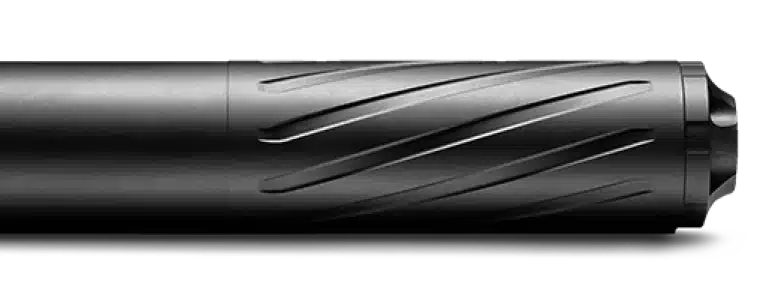
SB 2 is a short amendment to the definition of a “controlled weapon” in state law. Under the enrolled text of SB 2, the term now covers machine guns and short shotguns. But it now leaves firearm silencers out entirely.
That single change matters. Knowingly possessing a controlled weapon is a Class 6 felony in South Dakota. Before July 1, one paperwork error could pile state criminal exposure on top of federal law. Now the state layer no longer exists. In other words, South Dakota no longer adds its own penalty to a federally regulated item.
“The right to keep and bear arms is a cornerstone of our freedom,” Rhoden said in the statement from the governor’s office. He added that removing needless limits helps preserve that right.
What the South Dakota suppressor law does not change

The National Firearms Act still governs suppressors in every state, including South Dakota. So the buying steps look the same as they did in June. You still file a Form 4, submit fingerprints and a photo, pass the FBI background check, and wait for ATF approval. Meanwhile, the ATF’s published processing times and our own tracking of current eForm 4 approval times show most filings clearing in days, not months.
The $200 federal tax stamp is a separate story, and it is already history. Congress eliminated the transfer tax effective January 1, 2026. As a result, buyers now pay $0 in federal tax, though they still need ATF approval. Earlier this year, we walked through the post-tax-stamp Form 4 process, and nothing in SB 2 alters it.
So the honest summary reads like this: SB 2 changes nothing about how you buy a suppressor in South Dakota. Instead, it changes what the state can do to you once you own one.
Why the bill was signed at Silencer Central
The signing ceremony took place on Silencer Central’s floor in Sioux Falls. Prime sponsors Senator Casey Crabtree and Representative Drew Peterson stood beside the governor. In fact, the location was the point. The nation’s largest suppressor dealer watched its home state strike the words from the statute.
“Gun suppressors are hearing protection, not a weapon,” Crabtree said at the signing. And the NRA backed the bill through the session, so NRA-ILA tracked it from introduction to signature. No legislator in either chamber voted against it.
Before and after: suppressor ownership in South Dakota
| Requirement | Before July 1, 2026 | After July 1, 2026 |
|---|---|---|
| State classification | Controlled weapon (silencers included) | Silencers excluded |
| State penalty exposure | Class 6 felony | None |
| Federal registration (Form 4) | Required | Required |
| Federal transfer tax | $0 (eliminated January 1, 2026) | $0 |
| FBI background check | Required | Required |
Which states could follow South Dakota
The governor’s office says other states have since moved to deregulate suppressors at the state level. On top of that, it frames SB 2 as a message to Washington that federal action should follow. The state-law map is splitting fast. For example, Virginia lawmakers scrapped a proposed $500 state suppressor excise tax in February. In contrast, Rhode Island and Colorado added new firearm limits on July 1.
The endgame for suppressor advocates has always sat in Washington. For years, Hearing Protection Act supporters have pushed to pull suppressors out of the NFA entirely and treat them like ordinary firearms. Congress took half the step when it zeroed out the transfer tax. Now states like South Dakota are supplying the other half of the argument: if a legislature can erase its suppressor statute without one dissenting vote, the category looks less like a menace and more like a muffler.
The courts are moving too. Our sister site Freedom’s Lodge covered the Fifth Circuit’s ruling that suppressors are “arms” under the Second Amendment. Pair a favorable circuit ruling with a zero-opposition state statute, and the pressure on Congress becomes hard to ignore.
What the change means for South Dakota hunters
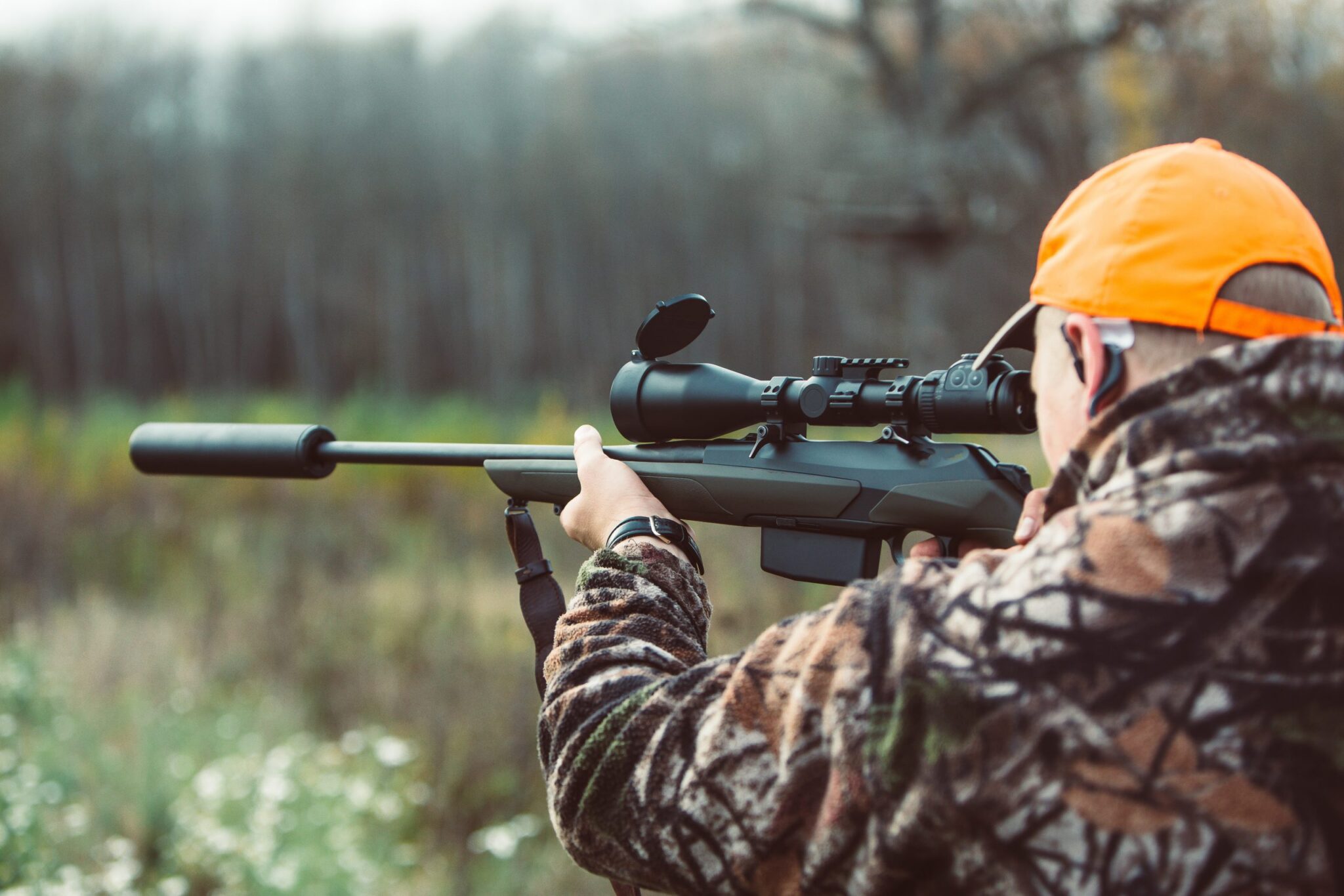
South Dakota is a hunting state first. The pheasant opener is close to a statewide holiday, and deer camps fill every November. So a law that treats hearing protection as hearing protection matters here more than most places. Suppressor use while hunting is legal in South Dakota, and it has been for years. But until July 1, the controlled weapons statute hung over every registered owner who carried one afield.
The hearing math explains the momentum. NIOSH puts the danger threshold for impulse noise at 140 decibels. Meanwhile, most centerfire rifles run 160 dB or louder at the muzzle. A quality suppressor trims 20 to 35 dB from that number. That still is not quiet. But it moves a single shot from instant-damage territory toward something a hunter’s ears can survive without muffs blocking the sounds that matter.
In other words, Crabtree’s line at the signing was not a slogan. It was the argument that carried the bill through two chambers without a single no vote.
What this means for your first suppressor
Nothing in SB 2 requires waiting, and nothing about the current market rewards it. Approvals move fast, the federal tax no longer exists, and 42 states allow ownership. So if you have searched “where can I buy a suppressor near me,” the honest answer in most of the country is simple: from your couch, shipped to your door after approval.
First, start with our guide to picking your first suppressor. Then, if you want one purchase that covers several hosts, a multi-caliber design like the BANISH 9 stretches a single approval across everything from .22 LR to 9mm.
Finally, if today feels lucky: Day 79 of Silencer Central’s 100 Days of Silence opens at 10:00 a.m. CT with another suppressor on the line. Remember, each giveaway requires a separate daily entry.
South Dakota suppressor law FAQ
Are suppressors legal in South Dakota in 2026?
Yes. Suppressors are legal to own, hunt with, and shoot in South Dakota. And as of July 1, 2026, state law no longer lists them as controlled weapons, so state felony exposure ends. But federal NFA registration through an ATF Form 4 still applies before possession.
Do I still need ATF approval to buy a suppressor in South Dakota?
Yes. SB 2 changed state law only. So every suppressor purchase still goes through the federal Form 4 process: fingerprints, photograph, FBI background check, and ATF approval. Currently, most individual eForm 4 approvals clear in a matter of days.
What exactly did South Dakota SB 2 change?
SB 2 amended the definition of “controlled weapon” in South Dakota law to leave out firearm silencers. Machine guns and short shotguns remain on the list. As a result, the Class 6 felony exposure that once applied to suppressor possession under state law no longer exists.
Did the South Dakota law eliminate the $200 tax stamp?
No. Congress eliminated the $200 federal transfer tax effective January 1, 2026, months before SB 2 took effect. The two changes stand on their own. Together, they mean a South Dakota buyer pays no federal transfer tax and faces no state criminal statute aimed at suppressors.
Which state will deregulate suppressors next?
The governor’s office says several statehouses have introduced similar language since February. But no second state had finished the process as of July 4, 2026. For now, NRA-ILA maintains the most current tracker of state-level suppressor legislation.
SB 2 runs about a page. But the message it sends runs much longer — and the next statehouse to copy Pierre’s homework is likely already drafting.
Similar Posts