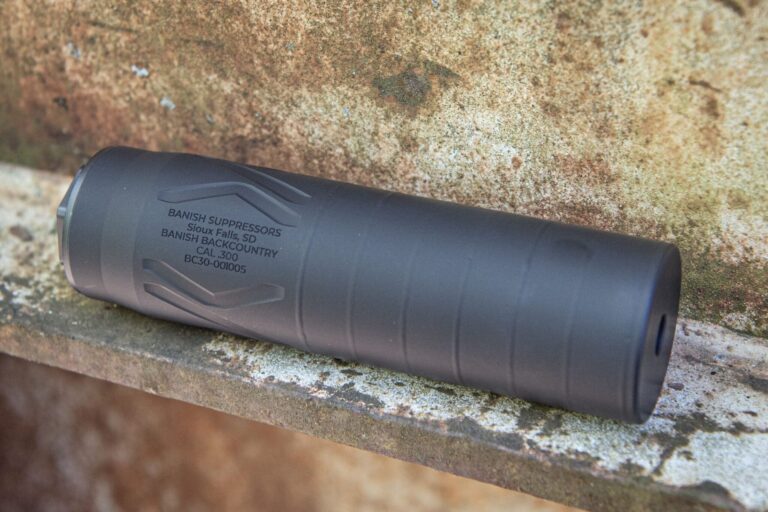
Suppressor on a 4473: Four Dealers Just Passed ATF Inspection
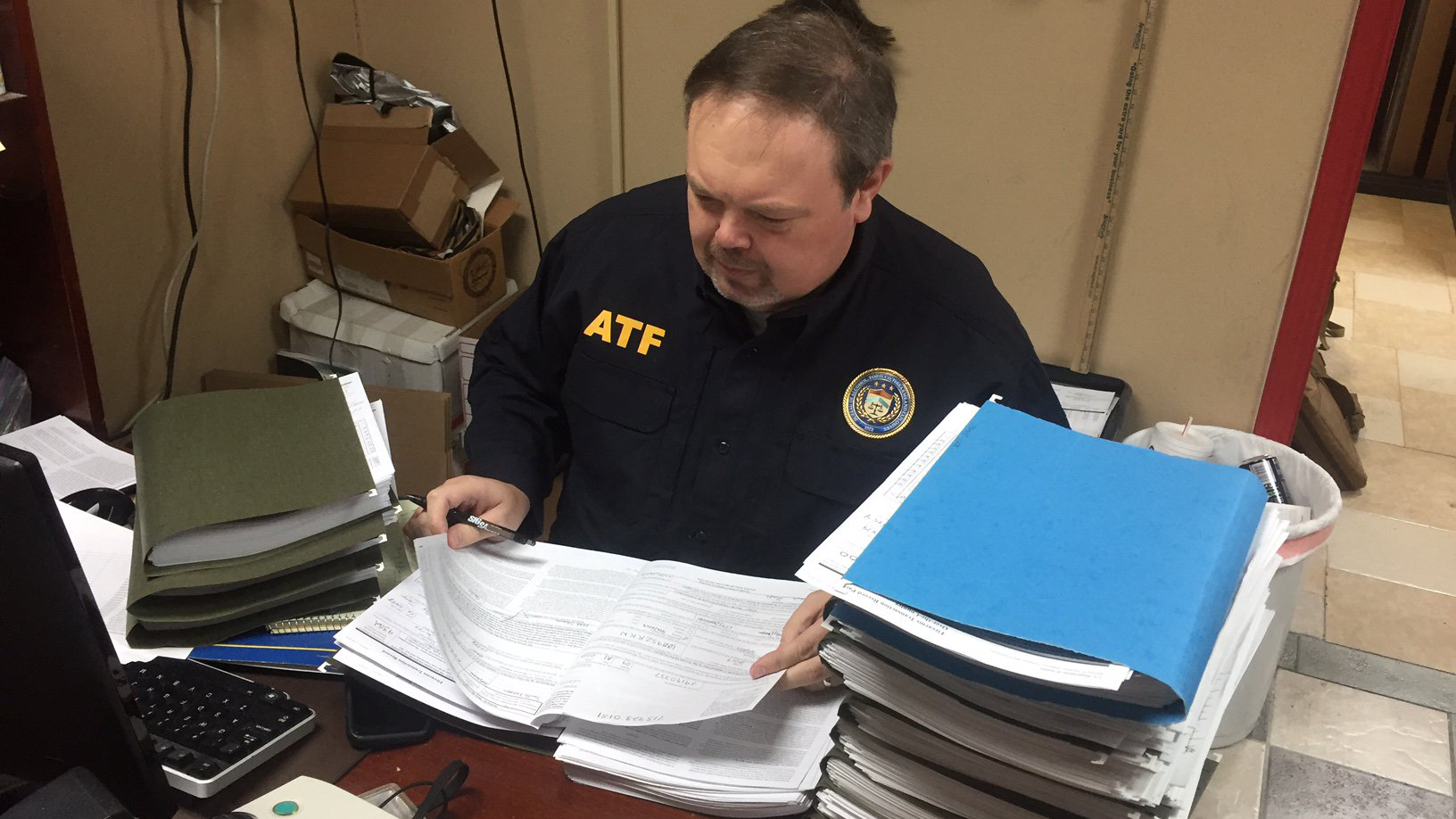
Federal inspectors found suppressors leaving four gun shops on a Form 4473 instead of a Form 4, and closed all four inspections this month.
In This Article
Updated August 29, 2026.
Zero violations. Federal inspectors reviewed suppressor sales at four gun shops in four states this month, found suppressors leaving the counter on a Form 4473 instead of a Form 4, and closed all four inspections clean. As a Type 07 FFL and Class 02 SOT, I read that report the way every dealer in the country did: slowly, twice.
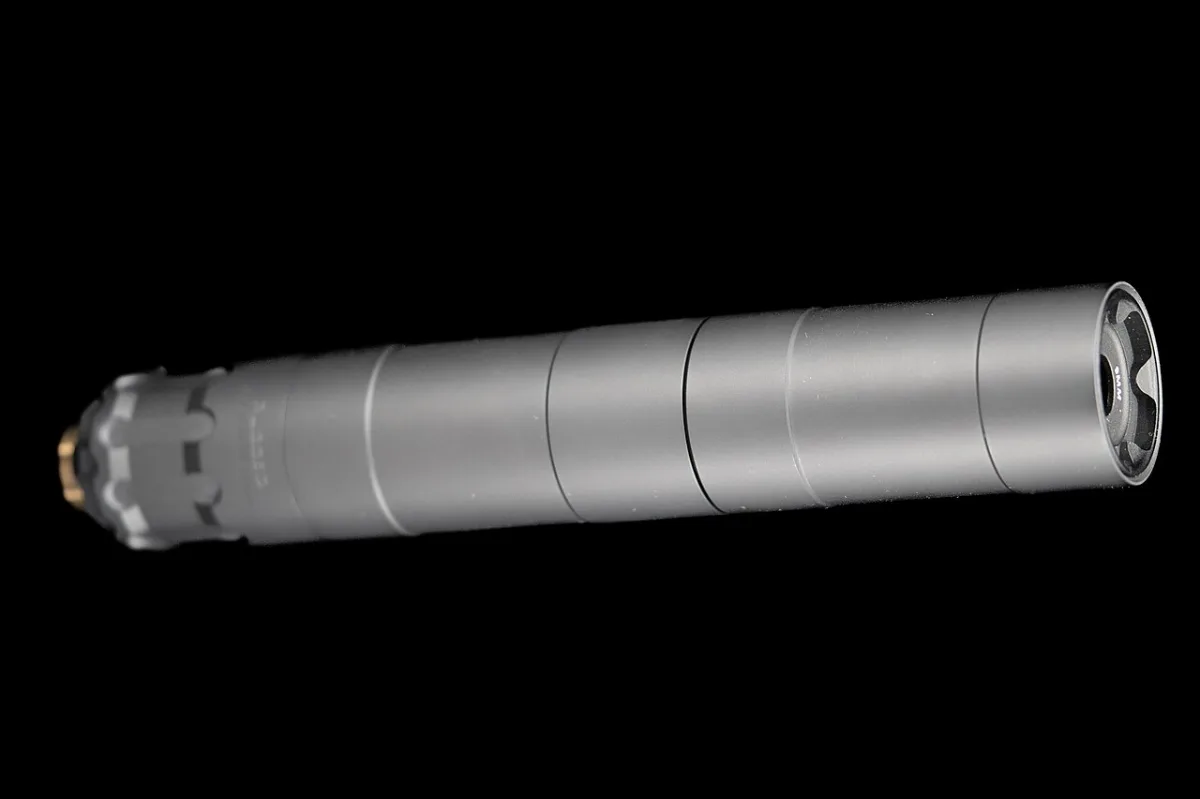
That is the first field-level evidence that buying a suppressor on a 4473 (no registration, no fingerprints, no eight-month wait) survives an ATF audit. It is not a guarantee. The agency has published nothing. But four inspectors in four regions looked at the same paperwork and walked away.
Below is what happened, who it covers, and what a buyer should weigh before driving to the shop.
What the Inspectors Found
AmmoLand News reported on August 21 that industry operations investigators (IOIs) audited four federal firearms licensees on the East Coast, in the South, in the Midwest, and in the Southwest. All four shops had been transferring suppressors on 4473s. All four passed with no violations cited.
Two details matter more than the headline.
First, none of the four inspections were triggered by the transfers. They were routine cycle inspections that happened to land after the shops changed practice. The timing was coincidence, which makes the result more useful, not less. These were ordinary audits, not a test case anyone staged.
Second, the shops were connected to the litigation. All four were corporate members of the plaintiff organizations, or the suppressors went to individual members. The inspectors treated the injunction as controlling for those transactions.
The same report also knocked down two rumors circulating in dealer forums. No blanket notice went out to FFLs telling them to stop. No cease-and-desist letters were issued. Neither claim held up.
Why This Is Legal Right Now
What the Court Held
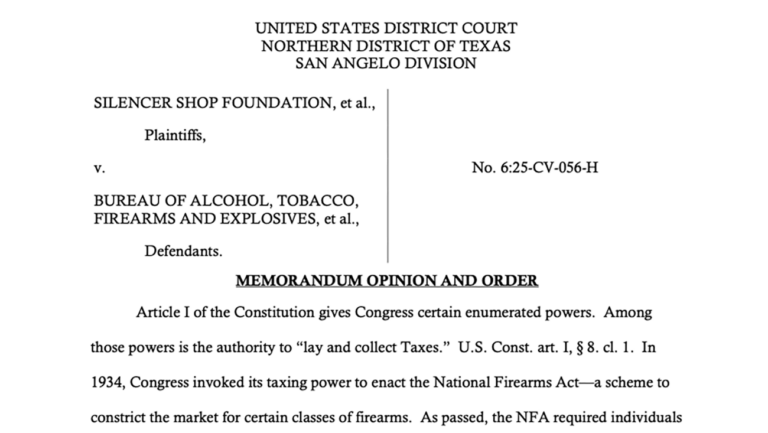
On August 5, 2026, Judge James Wesley Hendrix of the Northern District of Texas entered final judgment in Silencer Shop Foundation v. ATF, consolidated with Jensen v. ATF. He held that the NFA’s registration and advance-approval requirements exceed Congress’s enumerated powers as applied to suppressors, short-barreled rifles, short-barreled shotguns, and any other weapons.
The reasoning is narrow and clean. The NFA’s registration scheme was built to collect a tax. Congress cut that tax to $0 effective January 1, 2026. A tax that raises nothing supports nothing, so the machinery attached to it loses its constitutional footing. The court rejected the government’s fallback arguments under the special occupational tax, the Necessary and Proper Clause, and the Commerce Clause.
Where the Case Stands Now
The judgment was stayed seven days so the government could seek appellate relief. That stay expired at the end of August 12. No notice of appeal was filed. The injunction went live at 12:01 a.m. Central on August 13, and the first two transfers happened minutes later at a Texas storefront.
For covered buyers, the enjoined provisions include 26 U.S.C. § 5812 (transfer applications), § 5822 (making applications), portions of § 5841 (registration), and § 5861(b)–(f) (the offense provisions). The Form 4 requirement at 27 C.F.R. § 479.84 is enjoined as well. That is the legal foundation under the whole practice.
Nothing in the judgment touches the Gun Control Act. The 4473 stays. The NICS check stays. Prohibited-person law stays. Read my full breakdown of who can buy without a Form 4 for the provision-by-provision detail.
Who the Injunction Covers, and Who It Does Not
This is where most of the confusion lives, and where a buyer gets into trouble.
Judge Hendrix refused to issue a universal injunction. Relying on Trump v. CASA, he limited relief to the plaintiffs and the people and entities closely enough connected to them that protecting those people was necessary to remedy the plaintiffs’ injuries.
Who Is Covered
You are covered if you are a named plaintiff, an active member of a plaintiff organization, or a customer in a qualifying transaction with a commercial plaintiff or a commercial member of a plaintiff association. Gun Owners of America, the Firearms Regulatory Accountability Coalition, the Texas State Rifle Association, FPC Action Foundation and the Citizens Committee for the Right to Keep and Bear Arms are all in the case.
Who Is Not Covered
Now, you are NOT covered by any of the following:
- Living in one of the 15 plaintiff states. Residency alone does nothing. The states themselves are protected, not their residents.
- Donating to, following, or agreeing with a plaintiff organization. Membership has to be real, active and verifiable.
- Being married to, or living with, someone who is covered.
- Owning a trust or LLC where one trustee or officer is a member. The entity is a separate legal person and gets analyzed separately.
- Having bought from a covered company once before. Protection attaches to the transaction, not to you permanently.
The 15 plaintiff states are Alaska, Georgia, Idaho, Indiana, Kansas, Louisiana, Montana, North Dakota, Oklahoma, South Carolina, South Dakota, Texas, Utah, West Virginia and Wyoming.
One more split worth knowing: the Jensen plaintiffs did not win relief on AOWs, and they picked up extra relief on marking requirements under § 5842(b) and § 5861(i) that the lead-case group did not. Which side of the caption you claim protection through changes what you get.
State law is untouched. If your state bans suppressors, this ruling does not help you. My state-by-state map of suppressor rules after the ruling sorts all 50.
The Bookkeeping Problem Nobody Has Solved
Here is the part your dealer is losing sleep over.
Why the Registry No Longer Balances
A suppressor reaches a retail shop on an approved Form 3. At that point it sits in the National Firearms Registration and Transfer Record as registered to that dealer. Under the old process, an approved Form 4 moved it out.
Take the Form 4 away and the exit door disappears. The shop’s bound book shows a disposition. The federal registry still shows the suppressor sitting on the shelf. An inspector who pulls that serial number expects to find it in the display case.
According to the AmmoLand reporting, some shops are handling it by marking the suppressor “disposed” in the NFA books and moving it to the GCA books before the transfer. That satisfied inspectors in at least two states. It is a workaround the industry invented, not a procedure the agency published.
How Dealers Are Handling the Sale
Compliance counsel is more cautious. Attorney John Pierce, writing on August 13, recommended that FFLs wait for guidance before transferring without an approved Form 4, citing exactly this registry mismatch along with documentation and state-law exposure.
Both positions are defensible. The four passed inspections are real evidence. So is the absence of any written standard telling the next inspector what to accept.
What the ATF Still Has Not Said
Three weeks after the injunction went live, the agency has published no guidance. No procedure for documenting a protected buyer. No method for reconciling the registry after a transfer. No instruction on pending applications. No position on interstate shipment.
Sources cited by AmmoLand put the delay above the ATF, with no timeline attached. Dealers are reading a court order and guessing at the paperwork.
That silence is the real obstacle here, and it is worth naming plainly. A federal court found that a registration scheme lost its constitutional basis. Americans exercising the restored right deserve a straight answer from the agency about how to document it. Every week without guidance pushes law-abiding buyers and small shops into avoidable uncertainty.
One more gap deserves specific attention. The judgment enjoined § 5861(b) through (f) but left § 5861(j) alone. That subsection covers transporting, delivering or receiving an unregistered NFA firearm in interstate commerce. Do not assume the ruling clears a suppressor to be shipped across state lines.
Is Buying This Way Risky?
The risk is small and specific, not zero and not vague.
The Appeal Window
Representative Andrew Clyde has said the administration confirmed to him that the Department of Justice will not appeal. That is a strong signal. It is not a docket entry. Under Federal Rule of Appellate Procedure 4(a)(1)(B), the government generally has 60 days from entry of judgment to file a notice of appeal, which runs to October 5, 2026.
So the accurate framing is this: no appeal has been filed, the administration has said publicly it will not file one, and the window has not closed. Anyone telling you the appeal period already expired is ahead of the record.
If a higher court later stayed or reversed the judgment, the open question is what happens to suppressors already transferred. There is no amnesty mechanism written into the judgment and no transition rule from the agency. I walked through the statute-of-limitations and continuing-offense analysis in a separate piece on what the end of the tax stamp changed.
Should You Buy Now?
Basically, if you are clearly covered, the transaction is documented, and your state permits ownership, you are on solid ground. If you are stretching the definition of “covered,” you are the person who will have to explain it later.
How to Buy a Suppressor on a 4473 Today
If you want to move now, do it with a paper trail.
Five steps.
- Confirm your covered status in writing. Join a plaintiff organization if you have not, and save the membership confirmation with the effective date. A screenshot of a paid, active membership is worth more than a card in your wallet.
- Check your state before anything else. Federal relief does not override a state ban. If you are searching “can I buy a suppressor near me without a Form 4,” the state answer comes first.
- Call the dealer and ask what they need. Shops that have done these transfers have a documentation checklist. Shops that have not may decline, and that is their call to make.
- Ask how they are handling the registry entry. A dealer who can explain the NFA-book-to-GCA-book handling has thought it through. A dealer who has not considered it is a dealer to reconsider.
- Keep your own copy of everything. The 4473, the receipt, the membership proof, the serial number. Store it with your other firearms records and keep it for the life of the suppressor.
If you have a Form 4 already pending, do not abandon it on impulse. The judgment does not direct the agency to withdraw, refund or convert pending applications. I covered the cancel, wait or convert decision in detail.
Buying through a trust changes the analysis entirely. See why your membership may not cover your trust before you put an entity on the paperwork.
Frequently Asked Questions
Can anyone buy a suppressor on a 4473 right now? No. Coverage is party-limited: named plaintiffs, active members of the plaintiff organizations, the 15 plaintiff states as governments, and customers in qualifying transactions with covered commercial parties. Everyone else still files a Form 4, and living in a plaintiff state does not make you a protected party.
Does this mean the NFA is repealed? No. The statute is still on the books. The court enjoined specific registration and approval provisions as applied to suppressors, SBRs, SBSs, and AOWs for covered parties. Machine guns and destructive devices are untouched, and the whole Gun Control Act framework (licensing, the 4473, background checks, prohibited-person law) runs exactly as before.
Is my dealer breaking the law if they refuse? No. Plenty of shops are waiting for written guidance before changing a process they have run since 1934, and with no published procedure for squaring the federal registry after a Form 4-less transfer, that is a reasonable call. Phone ahead instead of assuming.
What happens to my $200 if I already paid it? Nothing to recover for current buyers, because the making and transfer tax went to $0 on January 1, 2026. If you filed a Form 4 before that date, refunds are a separate question for the agency, and the judgment does not address them.
Can I ship a suppressor across state lines under the injunction? Careful. The judgment enjoined 26 U.S.C. § 5861(b) through (f) but left § 5861(j) alone, and that subsection reaches interstate transport, delivery, and receipt of an unregistered NFA firearm. Until a court or the agency resolves that tension, treat interstate movement as unsettled.
Final Thoughts
For 92 years, the answer to “can I just buy one” was a form, a photograph, and a wait measured in seasons. This month, at four shops in four states, a federal inspector looked at the new answer and wrote nothing down. That blank line is the whole story.
The inspection findings come from AmmoLand News reporting by John Crump, published August 21, 2026, based on multiple sources speaking on condition of anonymity. I have not independently verified the identity of the four shops, and I treat the count of four inspections in four states as reported rather than confirmed.
The scope of the injunction, the enjoined statutory provisions and the appeal-window analysis come from the August 13 compliance analysis by the Law Office of John Pierce, read against the court’s final judgment. The ruling summary is corroborated by NRA-ILA and the American Suppressor Association.
Where reporting and legal counsel disagree (the industry is transferring, counsel advises waiting), I have presented both rather than picking one. This article is journalism, not legal advice. Talk to a lawyer licensed in your state before relying on the injunction. Building out the rest of the setup? Guns & Gadgets Daily tracks host-firearm releases as they land, and my 2026 suppressor comparison chart lists current pricing across the major lines.