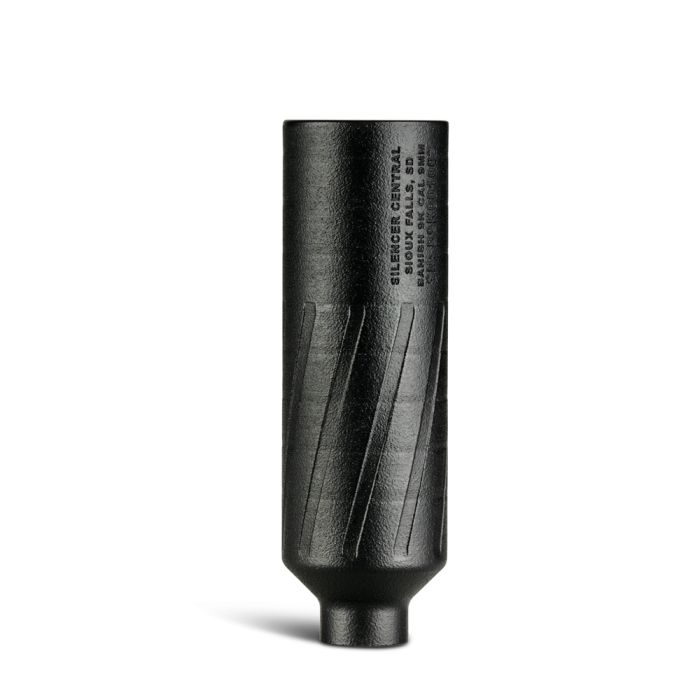
The AAC M4-2000, Then and Now: Is It Still a Duty Suppressor?
The 2026 AAC M4-2000 is a 6.05-inch, 16.7-ounce printed Inconel 5.56 suppressor on a HUB mount, and it is still a full-auto duty suppressor.
In This Article
Last updated: October 17, 2026 · Originally published August 30, 2026
The M4-2000 is the suppressor most people mean when they say “classic AAC.” It was one of the first modern quick-detach 5.56 suppressors built around the AR-15, it picked up military use and an NSN, and it spent a decade as the compact battle suppressor a lot of short-barrel rifles wore. The name is back in 2026. The question is whether the new printed-Inconel version is the same gun, a better gun, or just a familiar label on a different product.
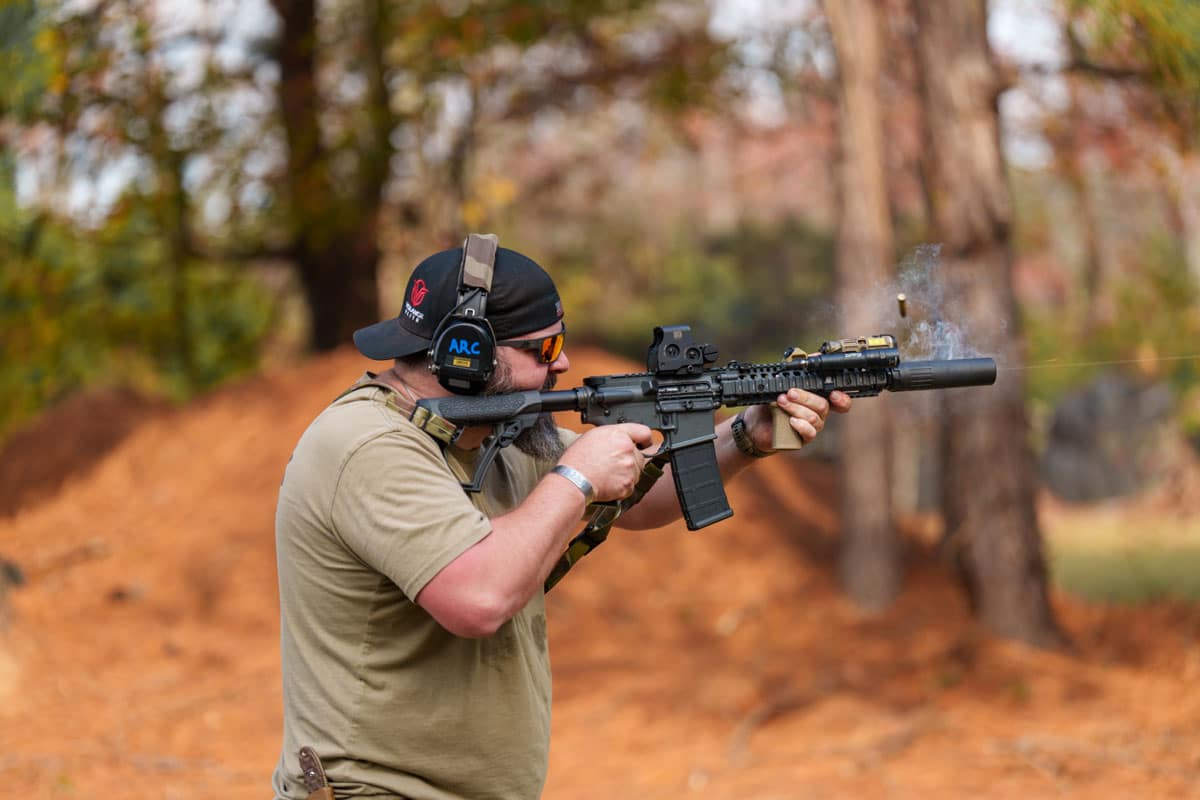
The original M4-2000 was
The suppressor people remember is usually the Mod 08. It was a fusion-welded core of Inconel 718 and 316L stainless, 6.625 inches long, 1.50 inches in diameter, and about 17.6 ounces. AAC rated it for full-auto 5.56 on barrels as short as 10 inches and advertised 32–34 dB of reduction. The feature that made it famous was the 51-tooth ratchet mount. You spun the suppressor onto a Blackout flash hider or Brakeout muzzle device and a spring latch clicked it into place. In the late 2000s that was a big deal. Most civilian 5.56 suppressors were still direct thread. AAC made a suppressor you could put on and take off in seconds without tools, with repeatable point of impact.
It was also a product of its time. PEW Science later tested a legacy Mod 08 on a 10.3-inch MK18 and gave it a composite Suppression Rating of 35.0 which is still competitive even against much newer dedicated 5.56 suppressors. The same test made the tradeoff obvious: the old M4-2000 was a high-back-pressure design. It quieted the muzzle well and sent a lot of gas back through the action. That was acceptable when “duty suppressor” mostly meant durability and a fast mount. It is less acceptable now, when shooters judge a 5.56 suppressor as much by blowback as by tone.
The 51-tooth latch became the other aging part. It locked up hard when new. After years of installs, the spring and pawl could wear, and a worn latch is how an M4-2000 ends up loose or walking into an end-cap strike. That is not a reason to panic if you own one. But It is a reason the new company stopped building the suppressor around that mechanism.



What AAC changed in 2026
The new M4-2000 keeps the compact carbine proportions and drops almost everything else.
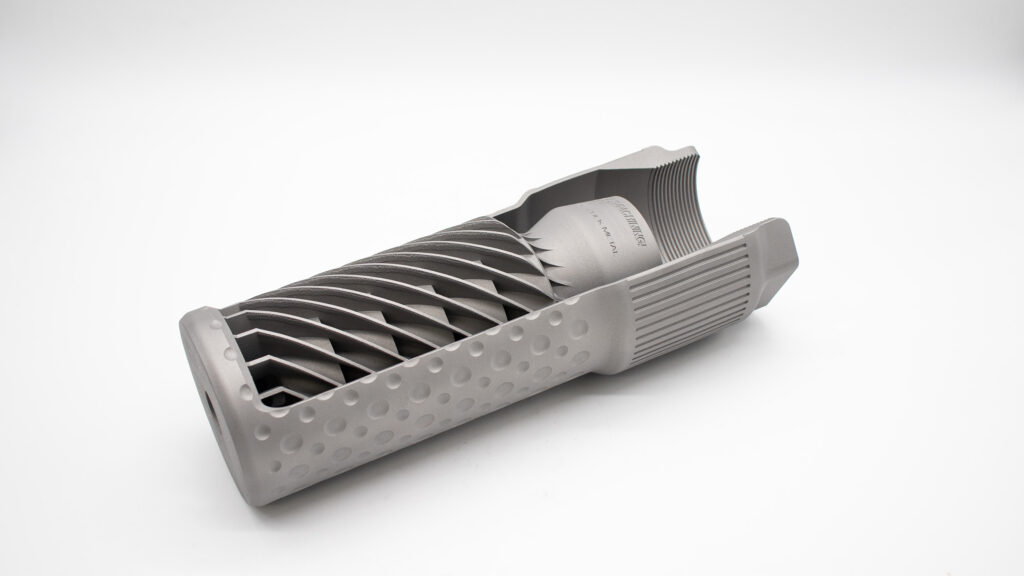
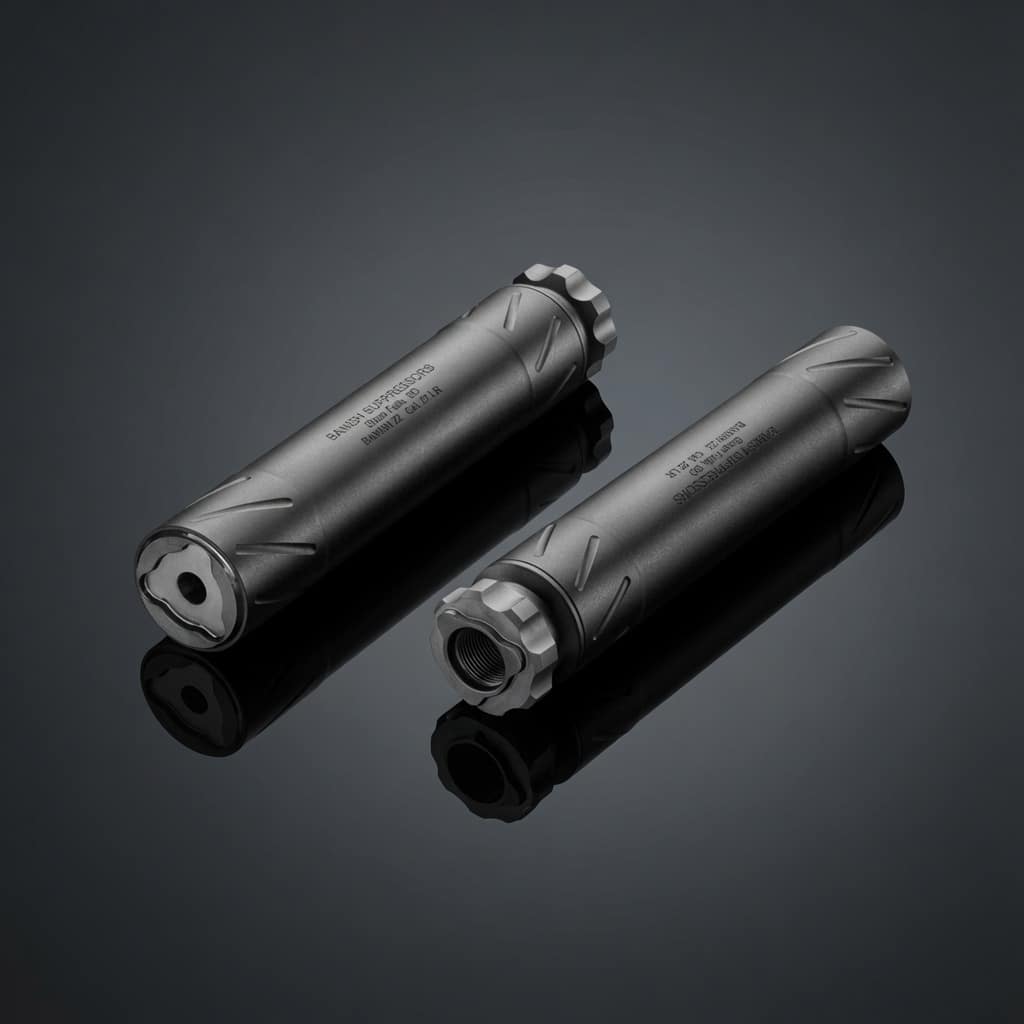
It is fully 3-D printed Inconel instead of a welded baffle core. Length drops to 6.05 inches. Weight is 16.7 ounces without the HUB mount. Diameter grows slightly to 1.63 inches. The finish is DLC rather than the old moly resin or Cerakote. Caliber rating is still 5.56, with the bore opened enough for 6mm ARC. It remains full-auto rated. Street price is about $1,099, which is almost exactly where the original sat in 2012 dollars if you ignore inflation.
The two changes that decide whether you buy it are the mount and the gas.
The ratchet is gone. The new suppressor uses a 1.375×24 HUB rear, ships with a 1x16LH direct-thread HUB mount, and includes an AAC Blackout flash hider. You can run the factory setup out of the box or swap to Plan B, KeyMo, Charlie, or any other HUB module later. That is the single biggest practical upgrade. A duty suppressor that only fits one company’s decade-old muzzle devices is an archaic system. A duty suppressor that that plays with the rest of the suppressor industry is a real tool worth looking at.
AAC is also selling the new internals as a low-back-pressure redesign, not a reprint of the Mod 08 core. That is the right problem to solve since the original suppressor’s reputation for gas in the face is real. The intent is clear: keep the short, tough 5.56 envelope and stop punishing the shooter and the gas system for using it.
|
Original M4-2000 (Mod 08)
|
2026 M4-2000
|
|
|---|---|---|
|
Role
|
Compact 5.56 duty / SBR suppressor
|
Same, plus 6mm ARC
|
|
Construction
|
Welded Inconel 718 and 316L SS
|
3-D printed Inconel
|
|
Length
|
6.625″
|
6.05″
|
|
Diameter
|
1.50″
|
1.63″
|
|
Weight
|
~17.6 oz
|
16.7 oz without HUB mount
|
|
Mount
|
51-tooth ratchet
|
1.375×24 HUB
|
|
Full-auto
|
Yes, down to ~10″
|
Yes
|
|
Back pressure
|
High for a modern 5.56 suppressor
|
Redesigned for lower back pressure
|
|
Warranty from current AAC
|
No, if built before Nov. 1, 2021
|
Limited lifetime
|

Is the new one still a duty suppressor?
Yes, if your definition of what “duty” meant when AAC originally coined the name: a short 5.56 suppressor that can live on a carbine or SBR, take heat, and come off the rifle without a wrench.
It still has the right size. Six inches and about a pound is the classic Mk18 / 11.5 / 14.5 envelope. It is not a short K-style suppressor, and it is not a long 7.5-inch precision tube either. It still has the right material. Printed Inconel is what you want if the host will see magazine dumps, short barrels, and a lot of 55- and 62-grain ammo. Sure some titanium 5.56 suppressors are nicer to carry. But they have limitations when used for rifles that will see high rates of fire or sustained shooting intervals.
It is a better duty suppressor than the original in the ways that matter on a 2026 AR. HUB means you are not married to 51-tooth flash hiders. Lower advertised back pressure means the rifle is less likely to need a heavier buffer and an adjustable gas block just to stay shootable, though a tuned gas system is still the grown-up way to run any suppressed 5.56 carbine. The 6mm ARC rating is a real extra if that is the other upper in the bag. And the current company’s lifetime warranty applies to the new suppressor. The original M4-2000 does not get that coverage.
It is not the right duty suppressor for every job. If “duty” for you means the lightest possible night-stand or truck gun, a smaller titanium 5.56 suppressor will handle better. If you own one suppressor and three calibers, the 762-SDN-6 is the AAC product that does that. If you want to unscrew baffles and scrub them after every range trip, this is still a sealed monoblock. If your main host is a 16-inch recreational AR that never sees a full magazine, you are paying for heat resistance you may not use.
The original M4-2000 earned the duty label by surviving short barrels and full-auto schedules when that was rare in a commercial 5.56 suppressor. The new one keeps that assignment and fixes the two things that aged the old one: a proprietary latch and a core that pushed too much gas rearwards. That is enough to treat the 2026 M4-2000 as a legitimate hard-use 5.56 suppressor, not just a nostalgia reprint.
Who should buy which one
Buy the new M4-2000 if the host is a 5.56 or 6mm ARC carbine or SBR, you want one compact suppressor for that rifle, and you care about HUB flexibility and less blowback. That is the customer this redesign exists for.
Keep or buy a used original only if the price is right, the latch still locks, and you already live in the 51-tooth ecosystem. Do not buy the old suppressor because you think the new AAC lifetime warranty follows the name. It follows the manufacture date.
The M4-2000 was never AAC’s quietest or lightest suppressor. It was the one that made a suppressed AR feel like issued equipment. The 2026 version is trying to do that job again, with a mount and a gas system that belong in this decade. On that standard, it is still a duty suppressor.
AAC M4-2000 questions
Is the AAC M4-2000 still made?
Yes. AAC brought the M4-2000 name back in 2026 as a 3-D printed Inconel 5.56 suppressor. It replaces the welded Mod 08 design and the old 51-tooth ratchet mount with a 1.375×24 HUB rear.
How much does the AAC M4-2000 weigh?
The 2026 M4-2000 weighs 16.7 ounces without its HUB mount and measures 6.05 inches long and 1.63 inches wide. The original Mod 08 was about 17.6 ounces and 6.625 inches long.
What calibers is the AAC M4-2000 rated for?
It is rated for 5.56 NATO and .223 Remington, and the bore is opened enough for 6mm ARC. It is full-auto rated.
Does the new M4-2000 fit the old ratchet muzzle devices?
No. The ratchet is gone. The new M4-2000 uses a 1.375×24 HUB rear, ships with a 1x16LH direct-thread HUB mount and an AAC Blackout flash hider, and takes other HUB mounts later.
How much does the AAC M4-2000 cost?
Street price is about $1,099 for the 2026 M4-2000. Check your state’s law before you buy: nine jurisdictions ban suppressors, and others still tie ownership to federal registration.


Similar Posts