Suppressor Hunting Laws Did Not Change on August 5. Your Paperwork Did.
Suppressor hunting laws did not change in a single state on August 5. A federal court changed the paperwork, not what you may hunt with.
In This Article
Last updated: September 17, 2026 · Originally published August 30, 2026
Updated August 30, 2026.
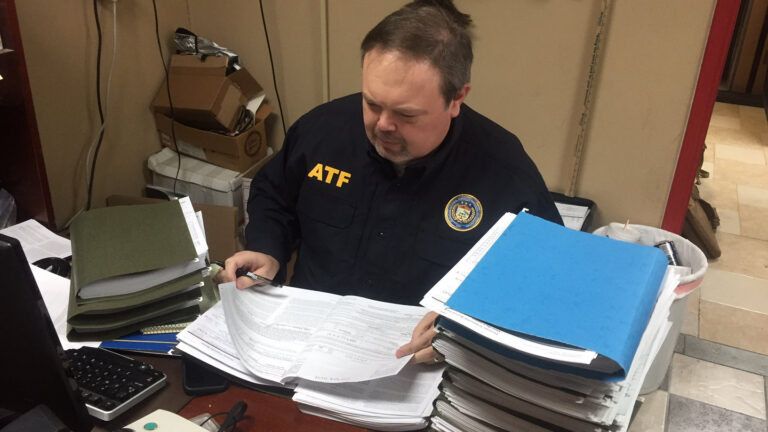
Not one state. Suppressor hunting laws did not change in a single state on August 5. A federal judge in Texas struck down part of the National Firearms Act that morning, the news reached every deer camp in the country by lunch, and the rules that decide whether you may thread a suppressor onto your rifle and walk into the woods sat exactly where they sat the day before. As a Class 02 SOT who has walked a lot of Form 4s across the counter, I want to separate the two systems for you before opening day.
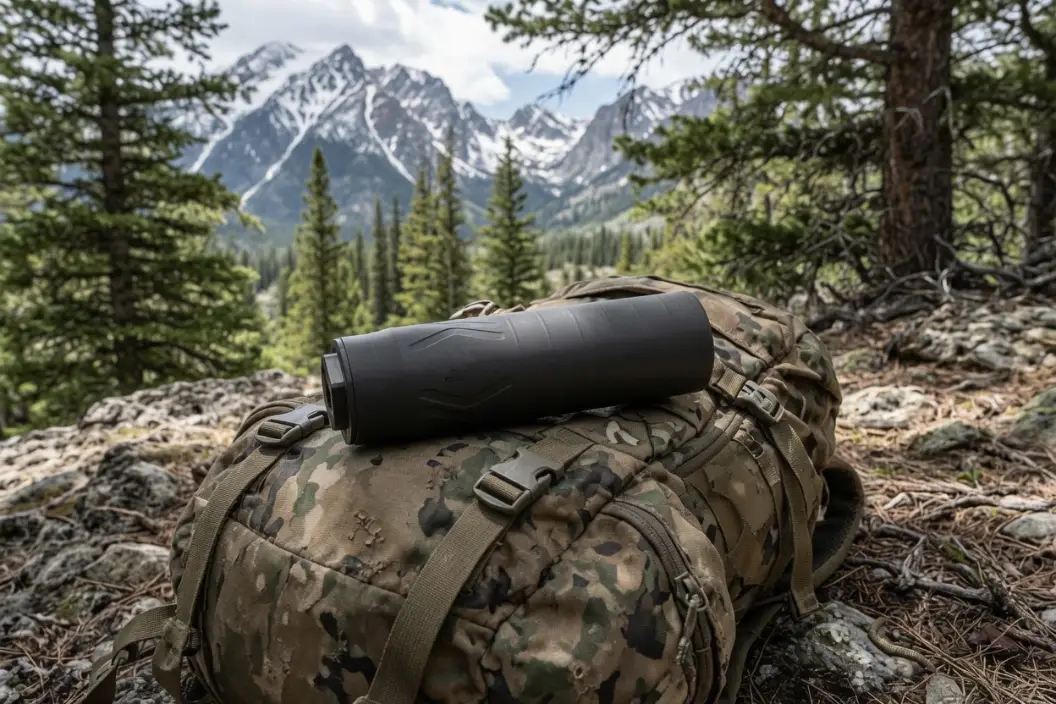
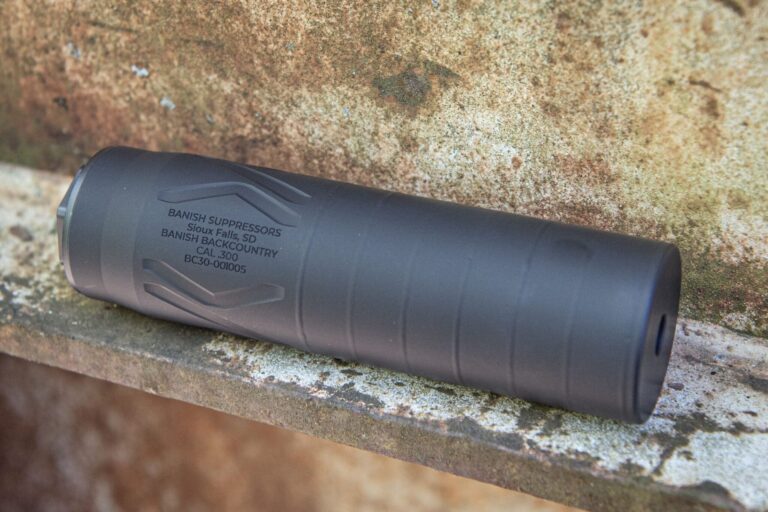
Suppressor hunting laws are state game regulations. They govern whether a licensed hunter may use a sound suppressor to take game, and which species and seasons that permission covers. They sit apart from federal registration. Of the 42 states where suppressors are legal to own, 41 allow them for hunting in some form. Connecticut is the one that does not.
Early archery and dove seasons open across the country in September. Firearms deer seasons follow. Here is what the August 5 ruling reached, what it left alone, and what belongs in your pack before you hunt suppressed this fall.
What the August 5 Ruling Reached
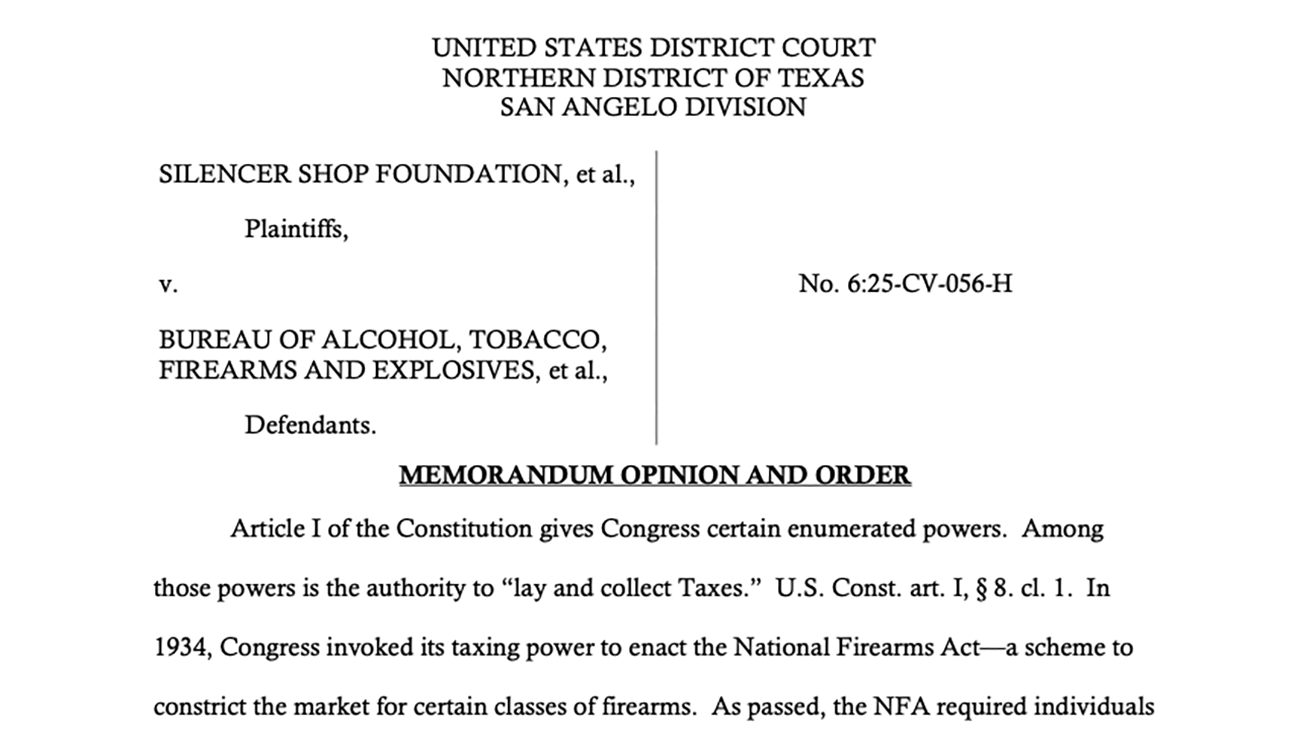
Judge Wesley Hendrix of the U.S. District Court for the Northern District of Texas entered final judgment on August 5, 2026, in the consolidated cases of Silencer Shop Foundation v. ATF and Jensen v. ATF. He held that the NFA’s registration and approval requirements for suppressors, short-barreled rifles, and short-barreled shotguns exceed Congress’s constitutional authority now that the making and transfer taxes on those items sit at zero.
That zero arrived on January 1, 2026, when the One Big Beautiful Bill Act’s tax elimination took effect. The taxing power was the constitutional foundation the 1934 statute was built on. Remove the tax, the court reasoned, and the registration scheme loses the ground it stood on. You can read the court’s summary judgment opinion in full.
The order enjoins named provisions: 26 U.S.C. §§ 5812(a)–(b), 5822, 5841(a)–(c) and (e), and 5861(b)–(f), along with 27 C.F.R. §§ 479.62(a)–(d) and 479.84(a)–(d). Those are the registration, transfer-approval, and making-approval machinery. The court stayed its own judgment for seven days. That stay lapsed, and NRA-ILA reported on August 17 that the injunction took effect August 13 with no emergency appeal on file.
The injunction runs to the plaintiff organizations, their members, and their customers downstream in the chain of commerce. It is not a nationwide repeal. My breakdown of who can buy a suppressor without a Form 4 walks through the coverage question line by line.
Why the Rules Live in Your State’s Game Code
No state wildlife agency was a party to either case. The holding concerns the limits of the federal taxing power. It says nothing about a state’s authority to regulate hunting methods inside its own borders, and that authority is old, broad, and untouched.
Connecticut is the clearest example. Conn. Gen. Stat. § 26-75 is one sentence: “No person shall use any silencer on any firearm when hunting.” Ownership is legal there. Field use is not, and August 5 did nothing to that statute.
Here is the part that should get a Connecticut hunter’s attention. The state’s 2026 Hunting and Trapping Guide runs several thousand words on legal firearms, muzzleloaders, shot sizes, air guns, and bows without mentioning suppressors once. The prohibition lives in the statute, not in the document hunters read before the season. That pattern repeats in other states, and it is why a regulation digest by itself is thin protection.
State by State: The 41-of-42 Line
Three categories cover the country.
| Category | Count | What it means for this season |
|---|---|---|
| Ownership legal, hunting permitted | 41 states | Suppressor use is allowed for at least some game. Species and season limits still apply. |
| Ownership legal, hunting prohibited | 1 state (Connecticut) | Own it, shoot it at the range, leave it home in the field. |
| Civilian ownership prohibited | 8 states plus D.C. | California, Delaware, Hawaii, Illinois, Massachusetts, New Jersey, New York, and Rhode Island. The August ruling did not disturb these bans. |
Species and Season Limits
Permission to hunt suppressed is rarely permission for every animal. Some states narrow suppressor use during muzzleloader or archery-only seasons. Others restrict it on particular wildlife management areas. Federal migratory bird rules layer on top of all of it. Vermont’s regulations state plainly that a person taking game with a gun may possess, carry, or use a suppressor in the act of taking game. That clarity is not universal.
Read the current digest for the species you are hunting, in the season you are hunting it. A blanket “it is legal in my state” answer has bought hunters citations before.

The States Whose Own Law Still Points at the Form 4
Fifteen states tie suppressor legality to federal NFA compliance as a matter of state law. The federal injunction does not rewrite those statutes. A buyer in one of them may still need to run the old process to satisfy the state, even where the federal requirement is enjoined. I sorted all fifty states and D.C. into three groups in the 27/15/9 state map, which is the place to start if you are buying rather than hunting.
Two related situations deserve a flag. If you have a Form 4 still sitting in the queue, cancelling it carries real downside in a state-compliance jurisdiction. And trusts sit outside the injunction, because the trust is the legal possessor, no membership names it, and no court has extended coverage to trusts or LLCs.
What to Carry in the Field This Fall
- Your state’s current regulation digest, downloaded. Cell service fails where the deer are.
- Documentation of how you took possession. Whatever process your dealer used, keep the paper and keep a photo of it on your phone.
- Your approved Form 4 or tax stamp, if you have one. Most of the 6,439,813 registered suppressors in ATF’s records moved the old way, and that approval still answers every question a warden can ask.
- Membership proof, if your coverage flows through a plaintiff organization. Coverage under the injunction is a factual question, and the answer should be in your pocket.
- A phone number for your state agency’s law enforcement division. Ask before opening day, not after. The current-year regulation digest is the controlling document, and suppressor questions often land in the gap it leaves, because the rule frequently lives in statute rather than in the digest.
A conservation officer enforces game law for a living. Explaining a federal injunction to one at 6:00 a.m. in a cut cornfield is a conversation worth engineering around.
Two more field notes for suppressed hunters. Choose a rifle-weight suppressor built for a full day of walking rather than a bench gun; my look at the ounce-saver argument for backcountry hunting covers the tradeoffs. And match your load to the suppressor, because subsonic loads built for suppressed shooting behave differently on game than a standard hunting load.
The Reversal Risk Worth Planning Around
NRA-ILA is direct on this point. A court can dissolve, stay, or reinstate a stay on its own order with very little notice, and taking action in reliance on the injunction carries risk for exactly that reason. DOJ still has weeks to appeal. It has not said what it intends to do.
Basically, the practical read for a hunter is short. A suppressor you obtained through the full Form 4 process is settled property with a paper trail. A suppressor obtained under the injunction is lawful today under a ruling that a court could stay mid-season. Neither fact touches your state’s game code. Both change how much documentation belongs in your pack.
State authority over wildlife is the constant here, and it runs in both directions. When federal grizzly management shifted back to the states this year, hunters learned the same lesson from the opposite side: the agency that writes your season is the agency that matters.

Frequently Asked Questions
Did the NFA ruling change suppressor hunting laws?
No. The ruling reached federal registration under the National Firearms Act and nothing else. State wildlife agencies set hunting methods, none of them was a party to the case, and every game regulation that governed suppressor use on August 4 governed it on August 6.
Is suppressor hunting legal in my state?
In 41 of the 42 states where suppressors are legal to own, yes, in some form. Connecticut is the exception: ownership is legal, field use is barred by Conn. Gen. Stat. § 26-75. The eight ban states plus D.C. never reach the question.
Do I still need a tax stamp to hunt with a suppressor?
The stamp costs nothing since the tax dropped to zero on January 1, 2026. Whether you still need federal approval depends on whether the injunction covers you and on your state’s law, and fifteen states still tie legality to NFA compliance.
Can a game warden cite me for a suppressor obtained under the injunction?
A warden enforces state game law, so where suppressor use is legal for your species and season the federal question never comes up. Where your state ties possession to NFA compliance, carry proof of how you took possession and be ready to explain it clearly and calmly.
What happens to suppressors bought under the injunction if a court reverses it?
Nobody knows yet, because no court has answered it. NRA-ILA notes that courts can modify or reinstate stays with little notice and that acting in reliance carries risk. Statutes of limitations for NFA violations generally run three years, some possession offenses are treated as continuing, and that is a question for counsel licensed in your state.
Final Thoughts
Federal registration is a live legal question this fall. State suppressor hunting laws are not. The ruling moved a line in Washington. The line that decides your opening morning was drawn in a state capitol, and nobody has moved it since. Check the digest before you check the wind.
Sourcing note: statutory citations come from the court’s summary judgment opinion and NRA-ILA’s August 17 Q&A on the consolidated cases. Connecticut’s prohibition was checked against Conn. Gen. Stat. § 26-75 and the state’s 2026 Hunting and Trapping Guide, which does not mention suppressors in its firearms section. State counts reflect published law as of August 30, 2026. Legislatures change them, and appellate courts may change the federal picture. Verify with your state wildlife agency before you hunt.
About the author: James Nicholas is the author of record for PopularSuppressors.com, covering NFA law, suppressor testing, and hunting applications for Brand Avalanche Media. He tracks federal and state suppressor rulemaking week to week.